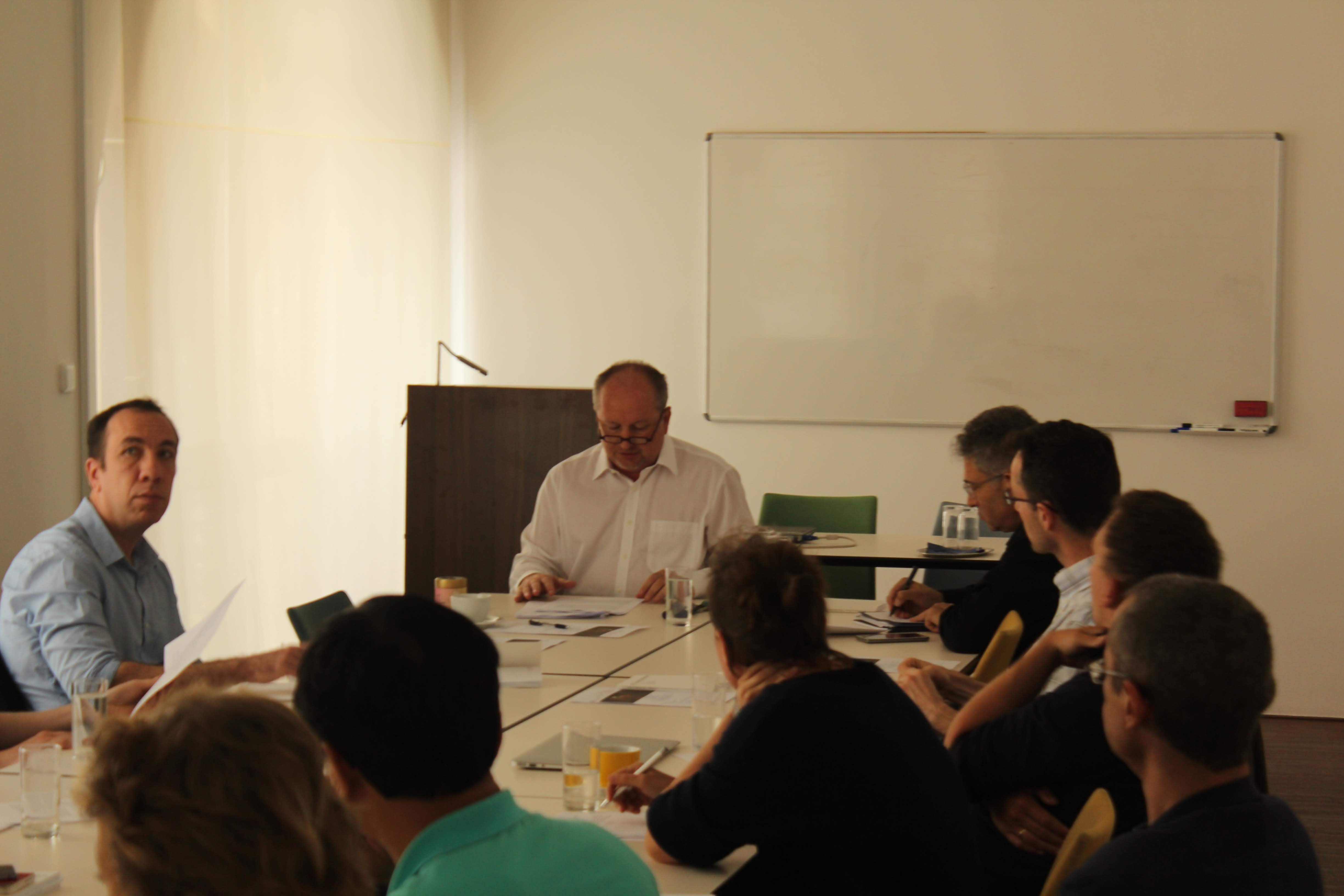
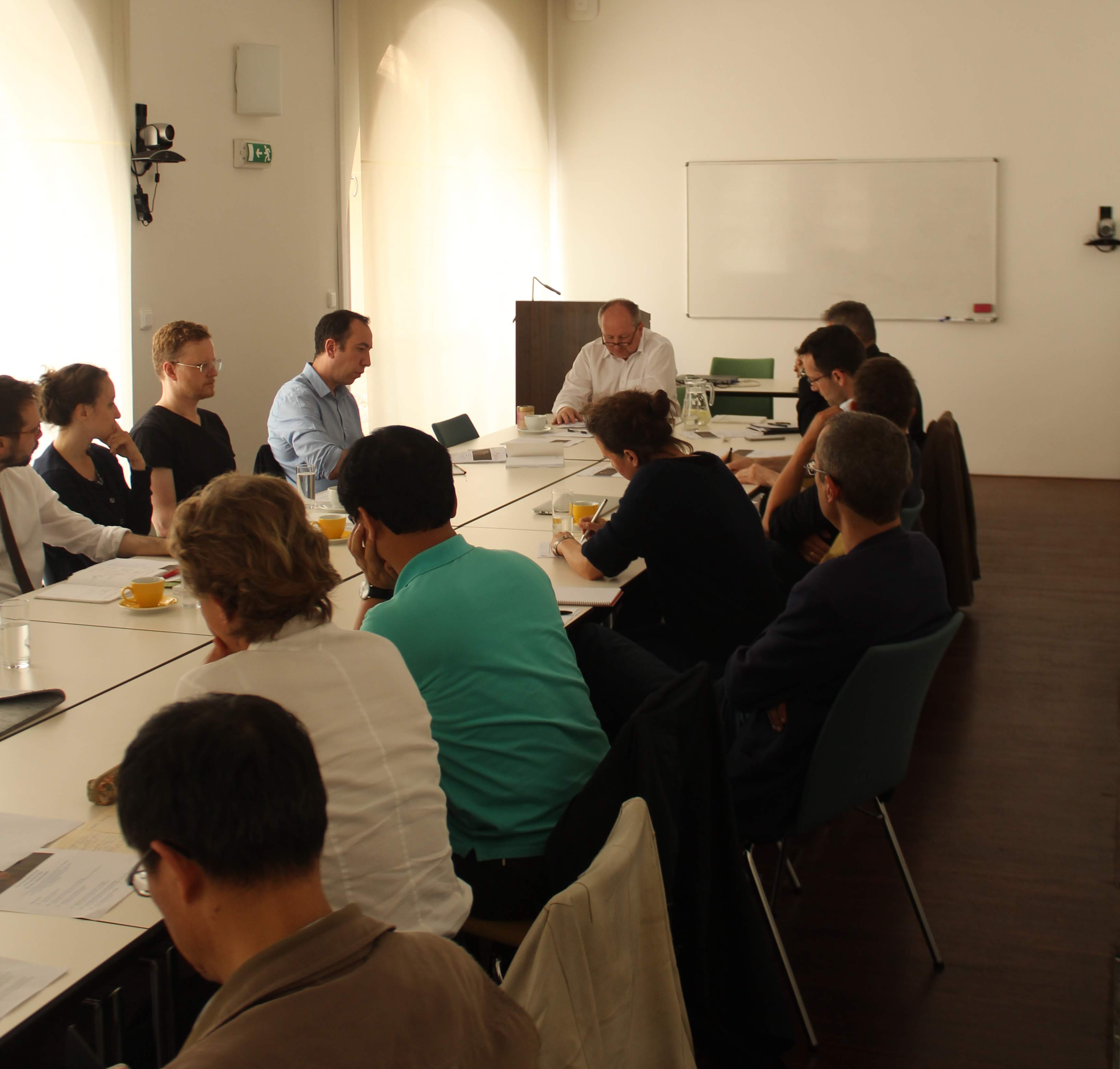
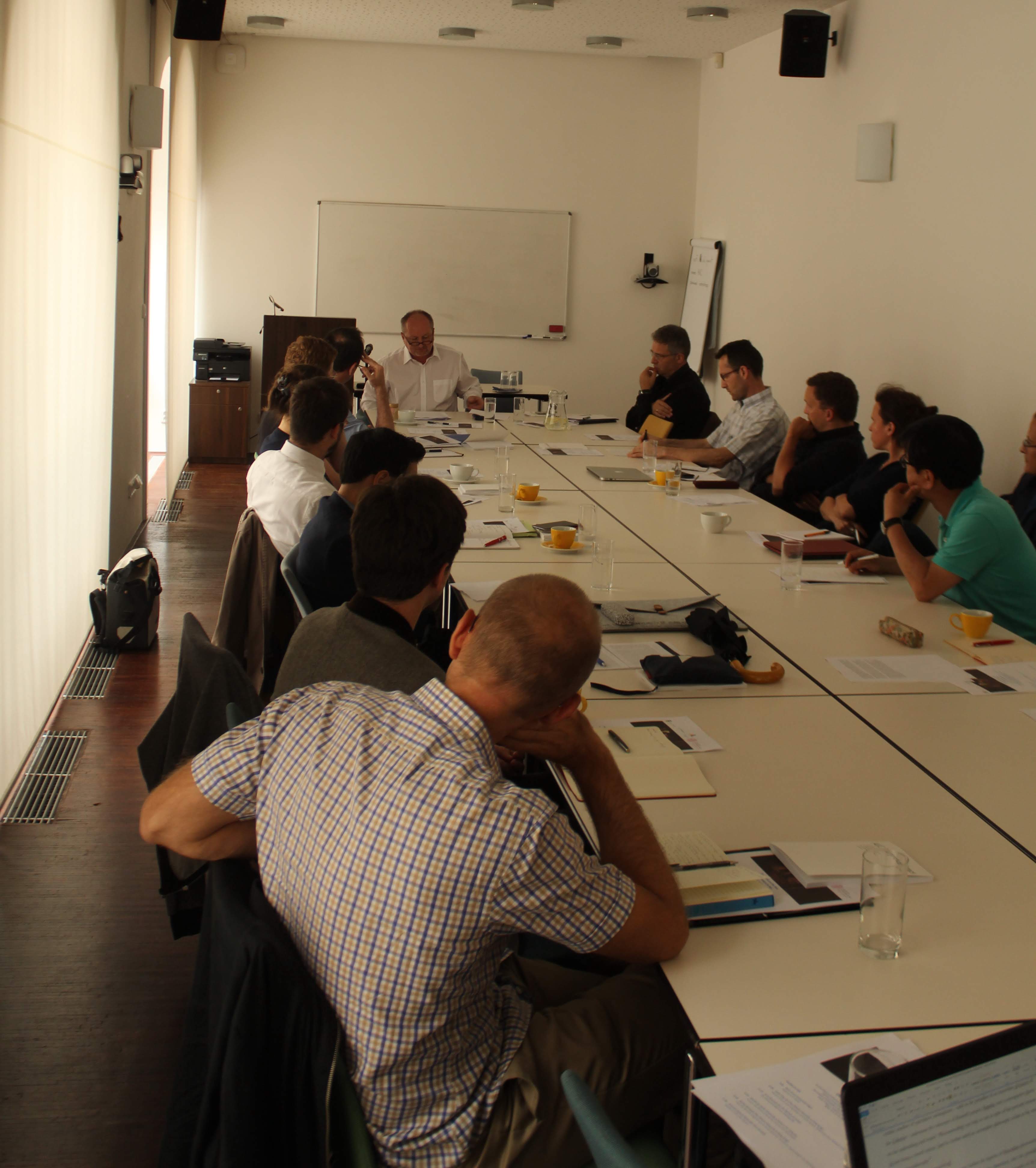
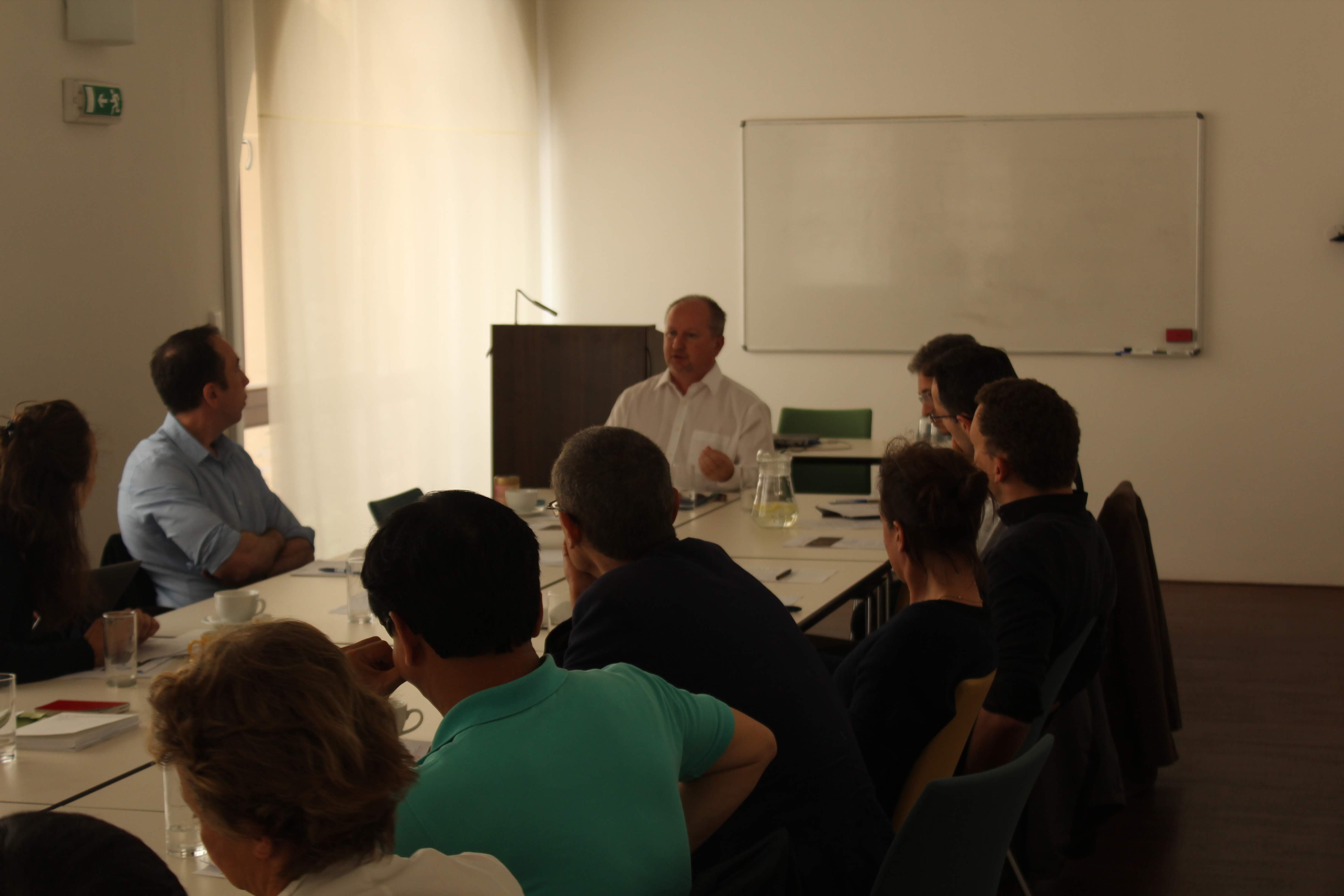
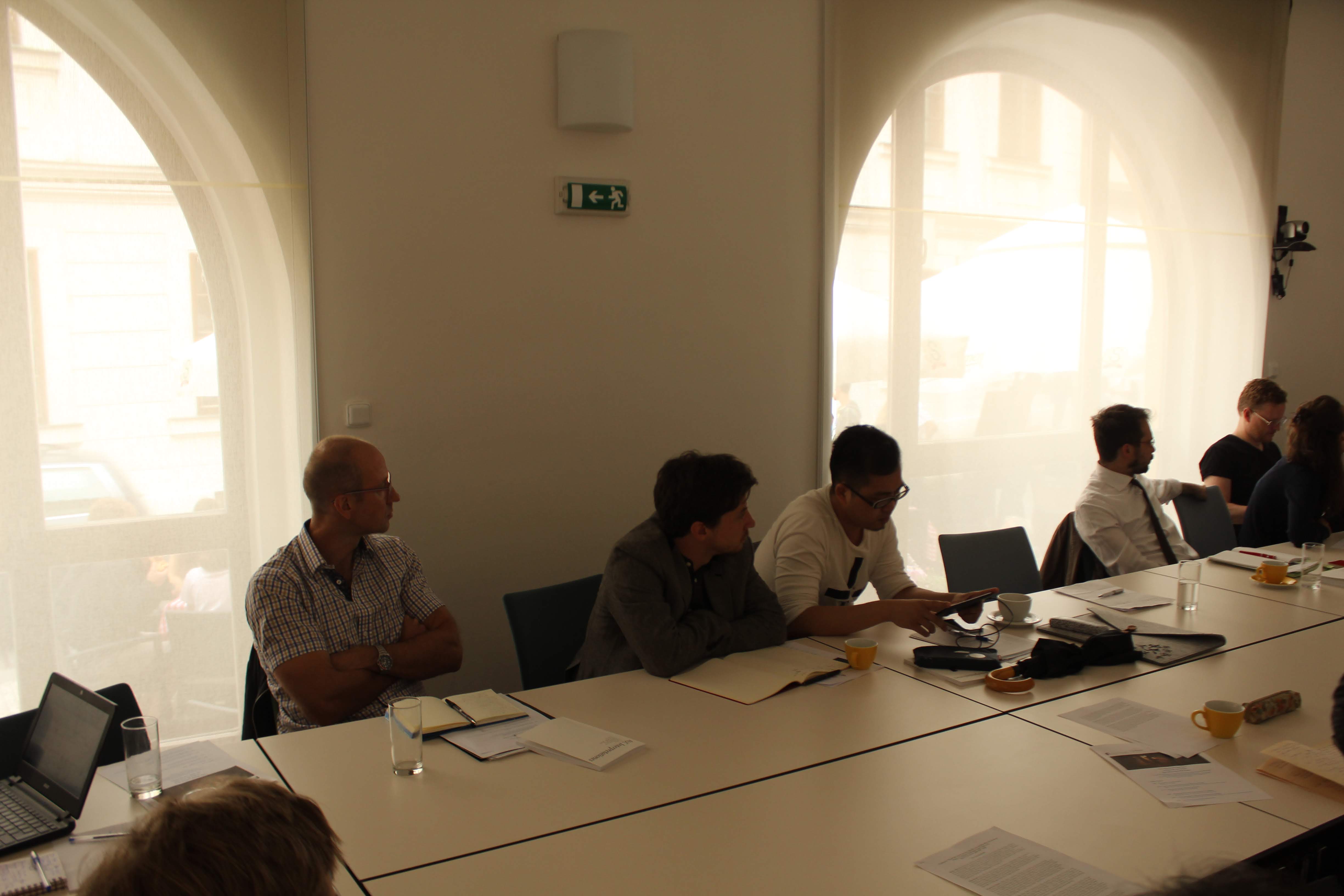
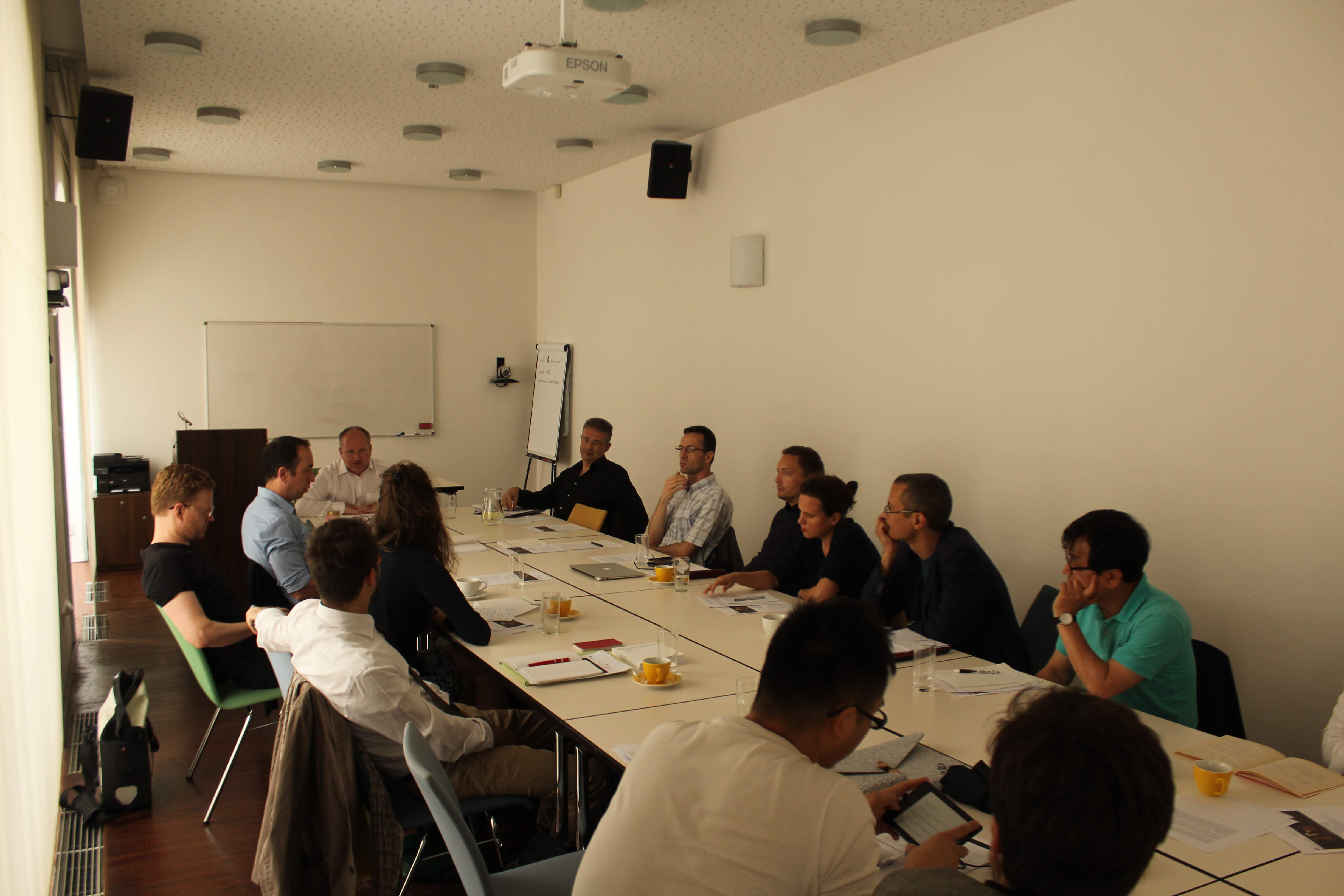
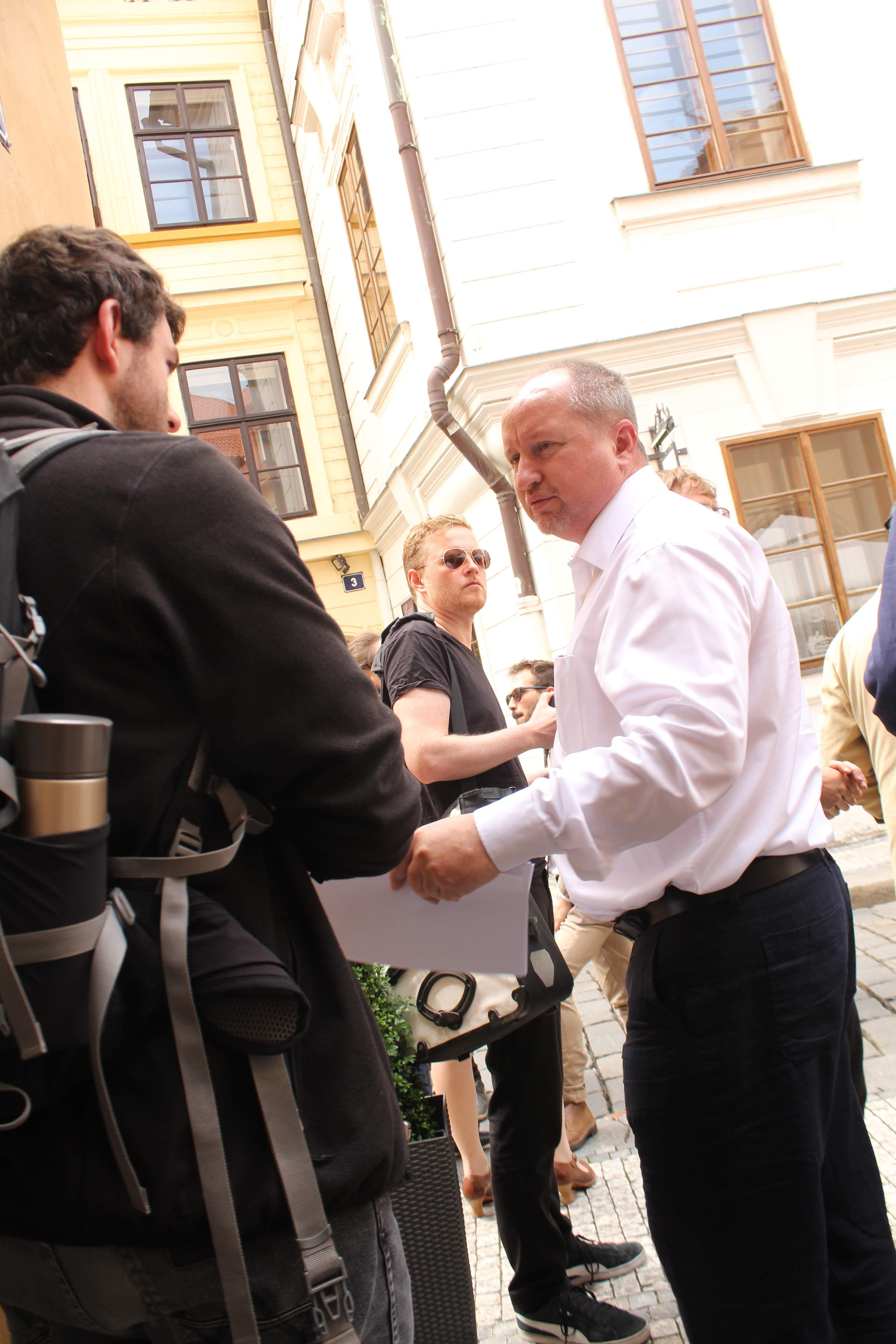
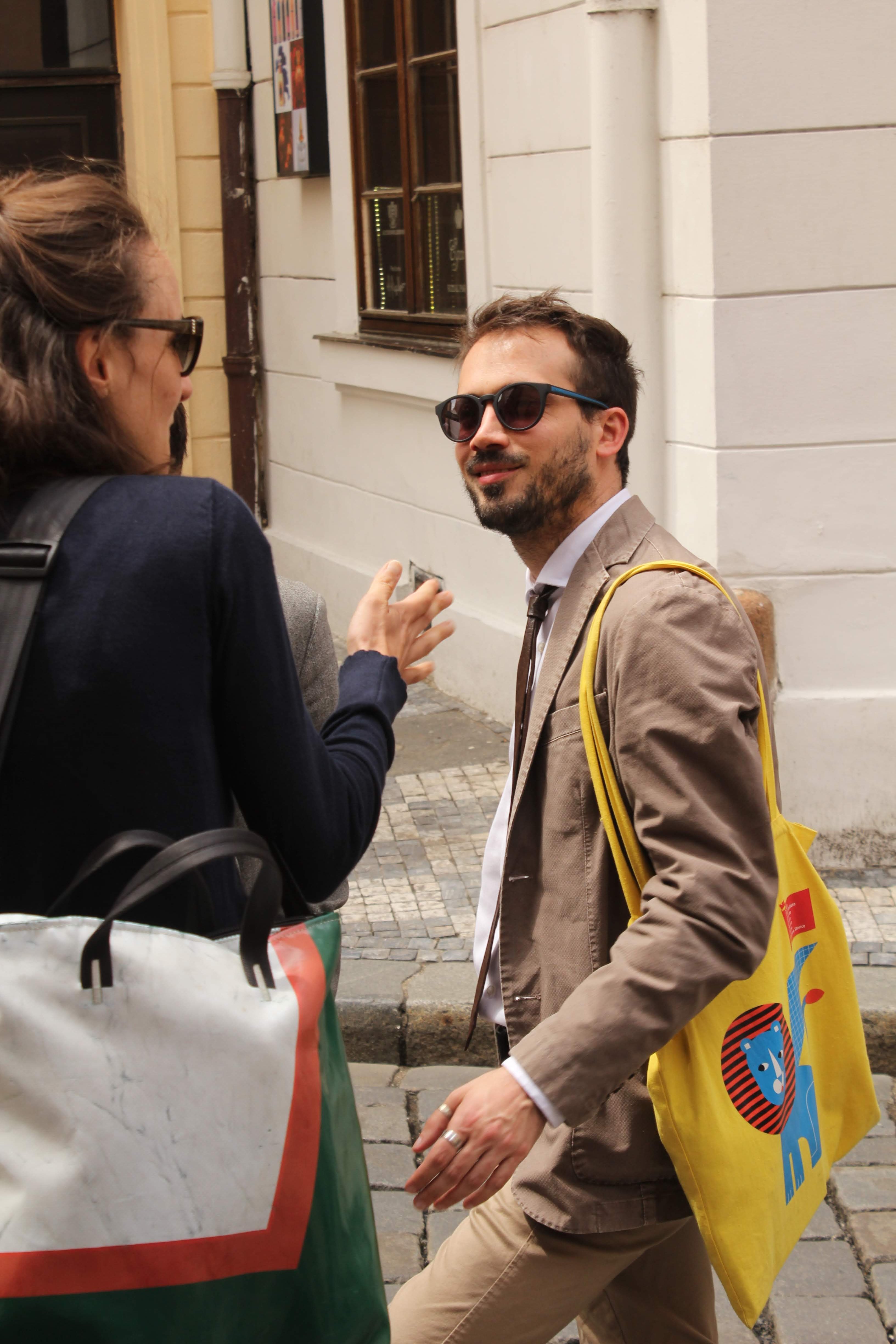
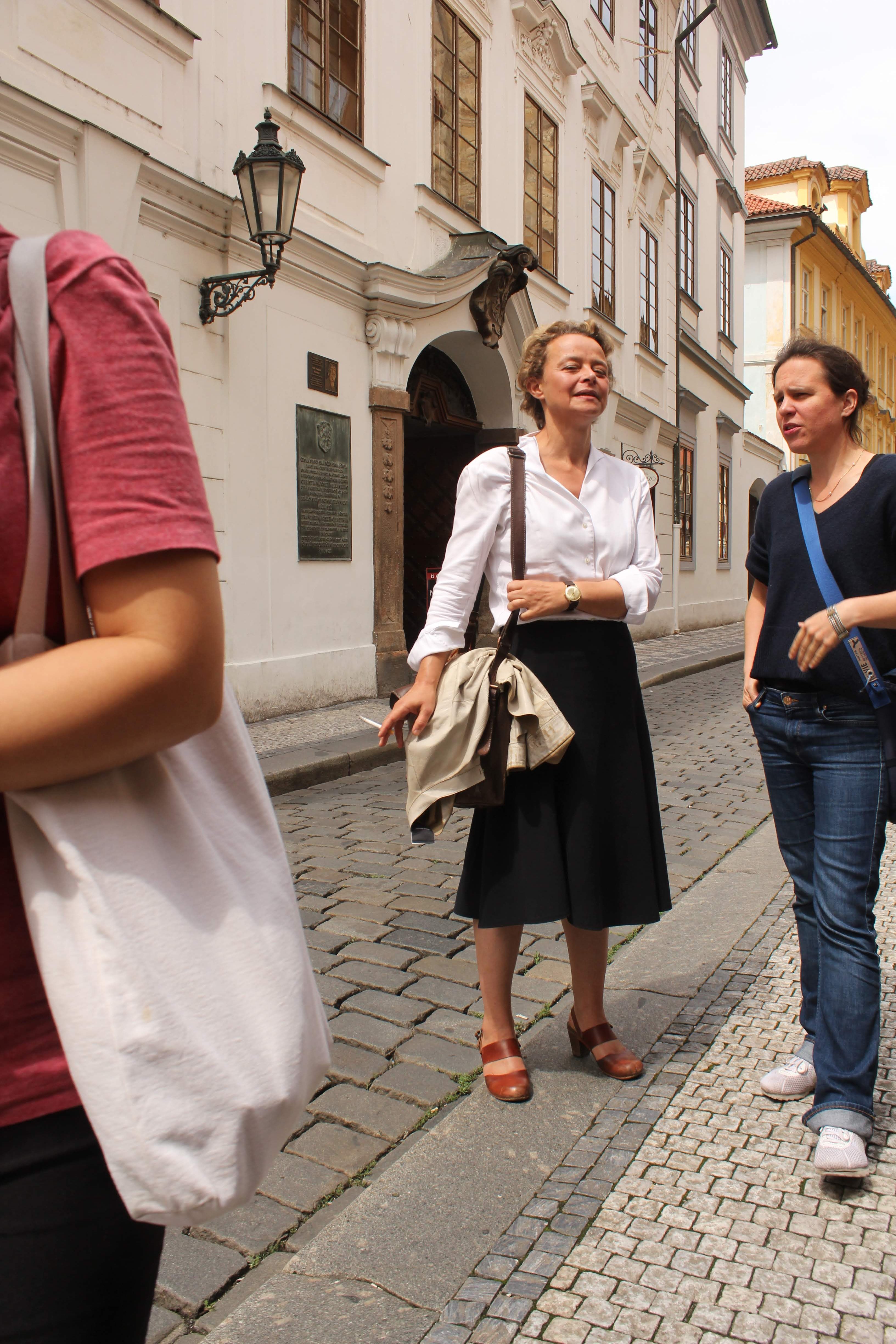
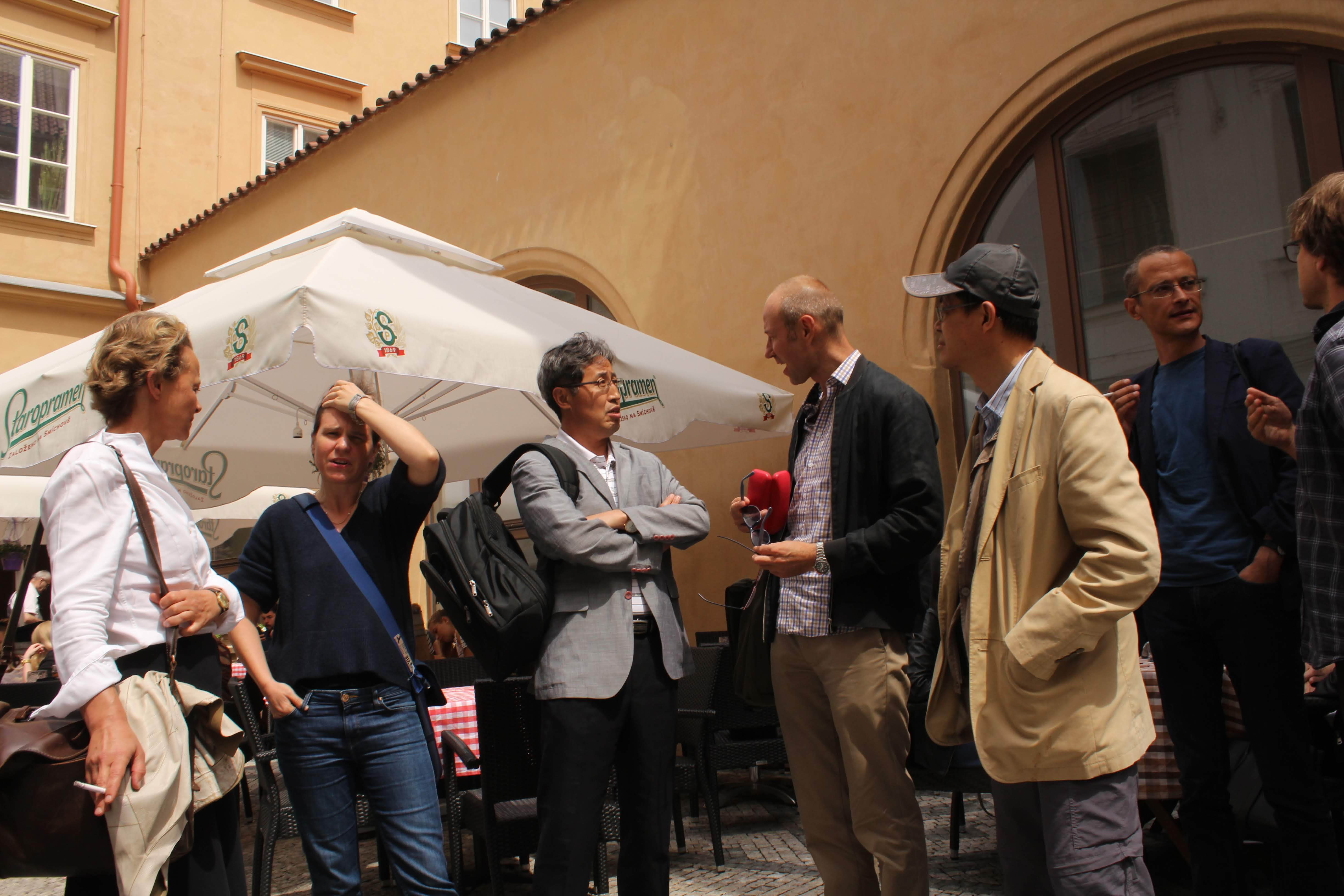
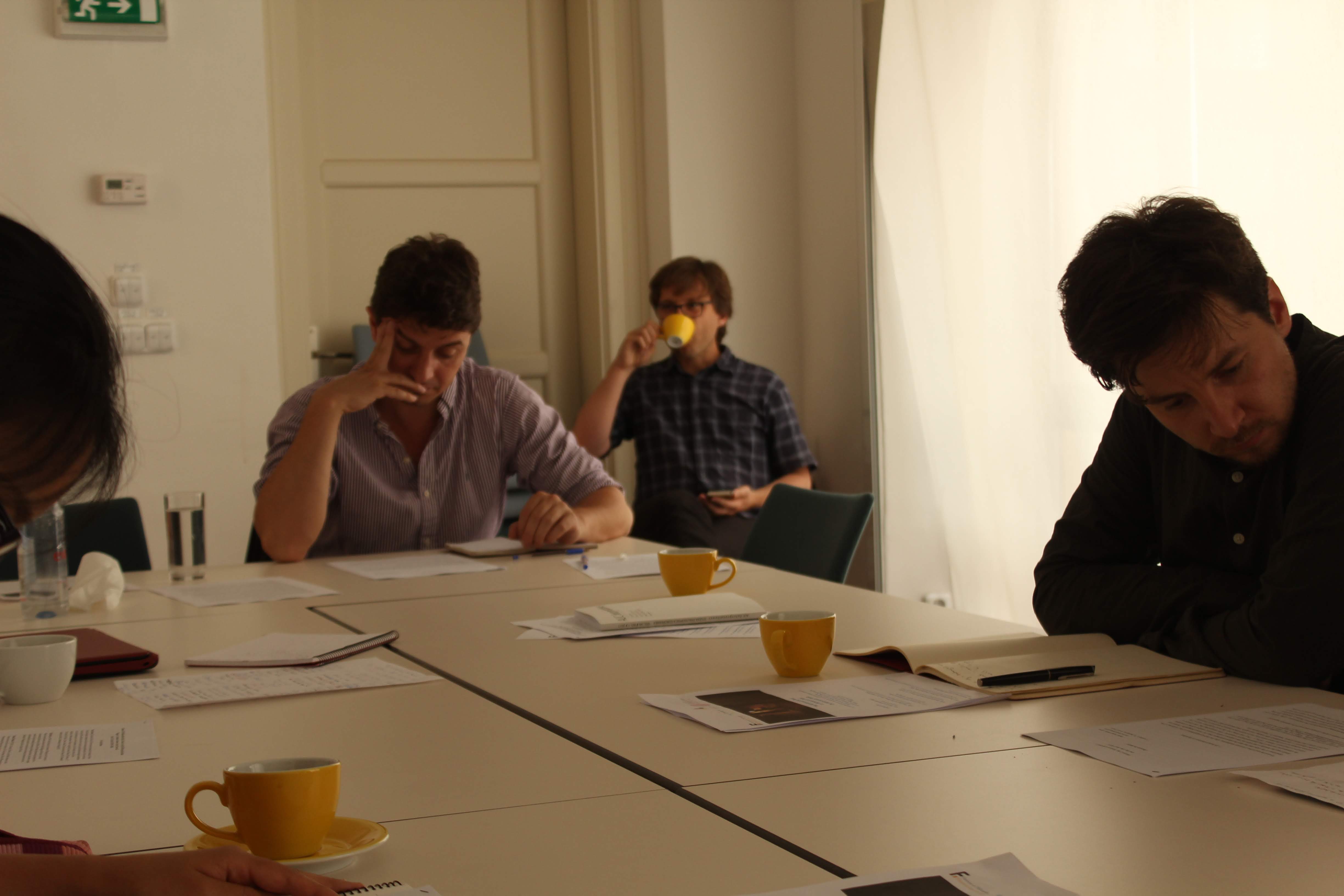
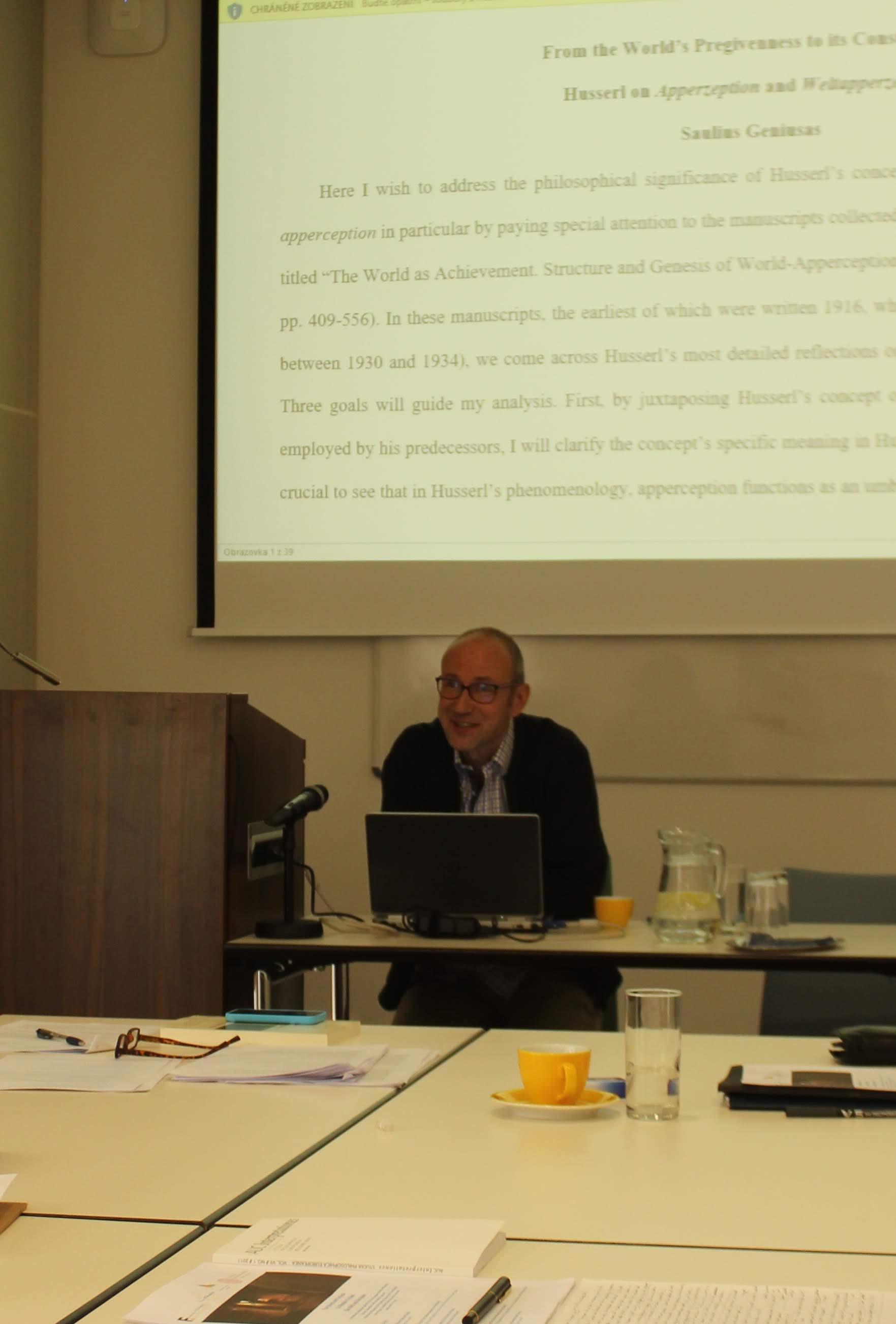
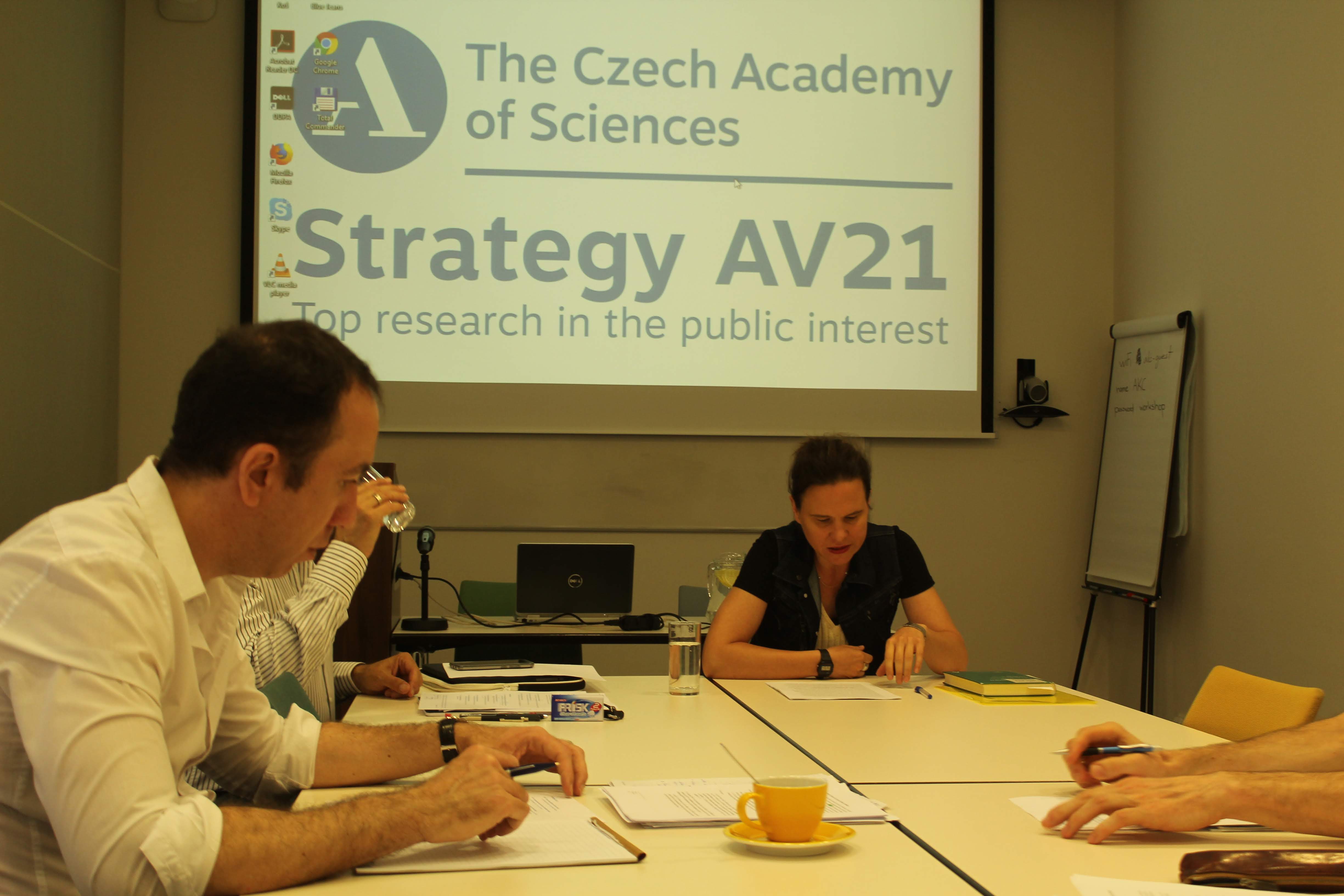
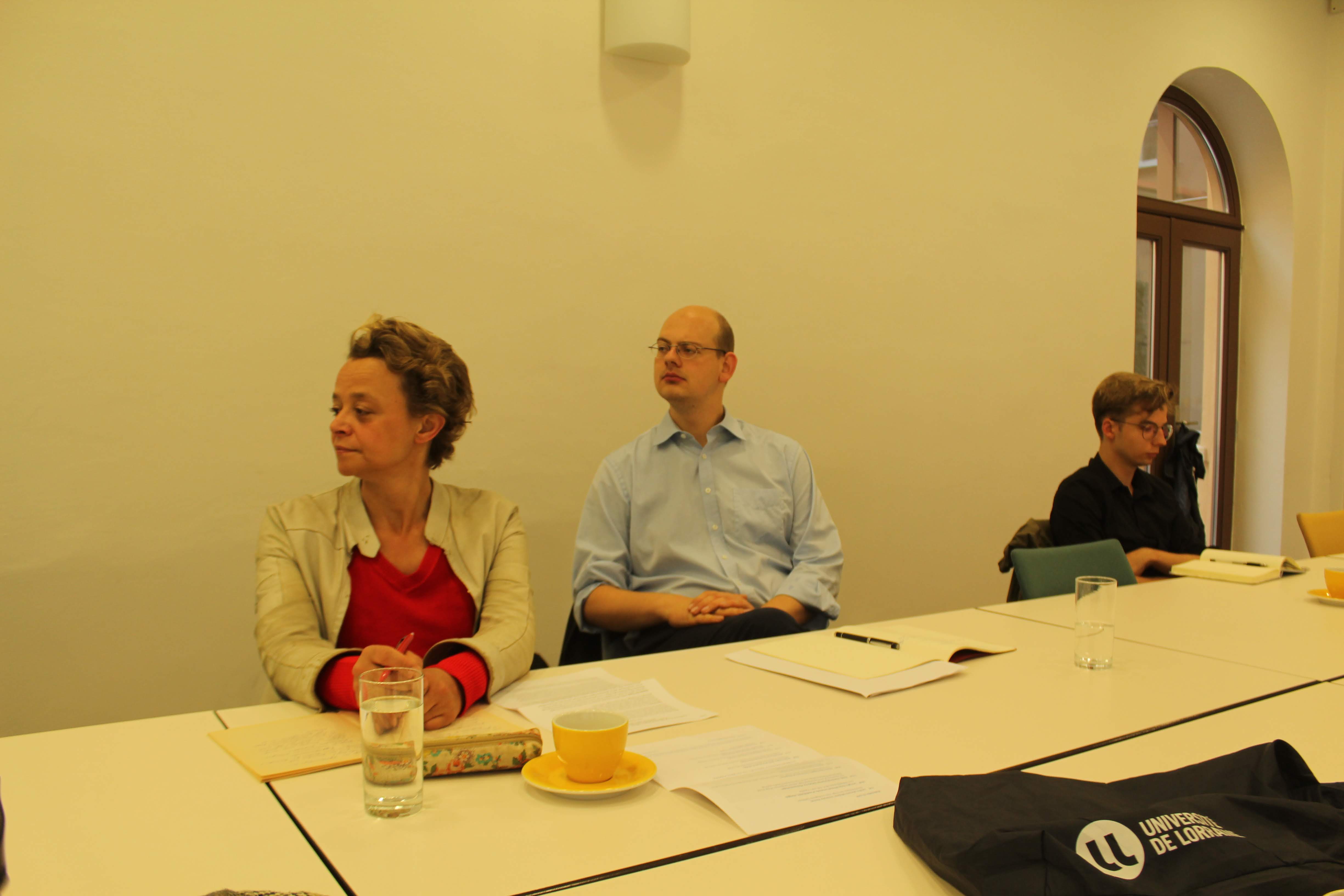
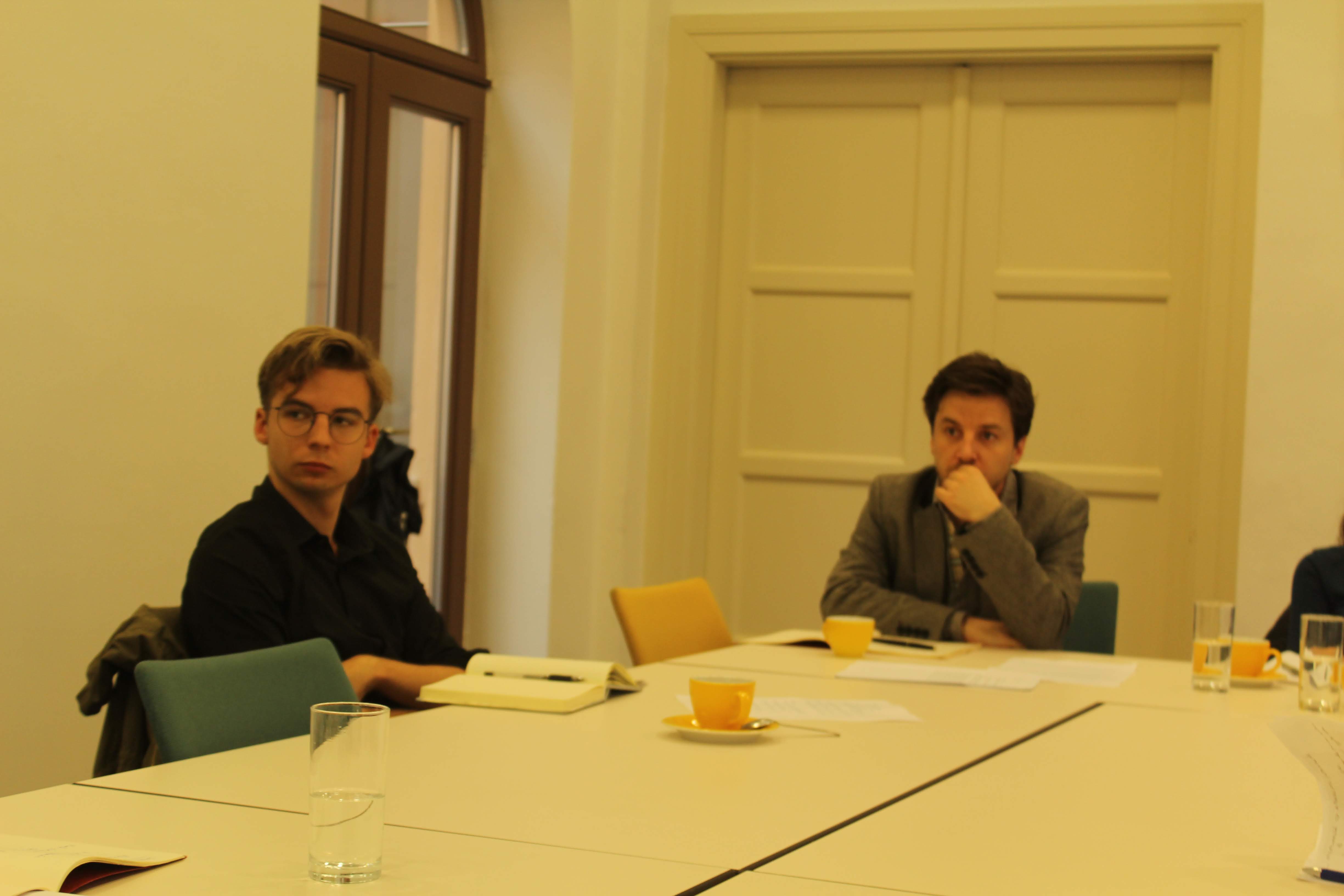
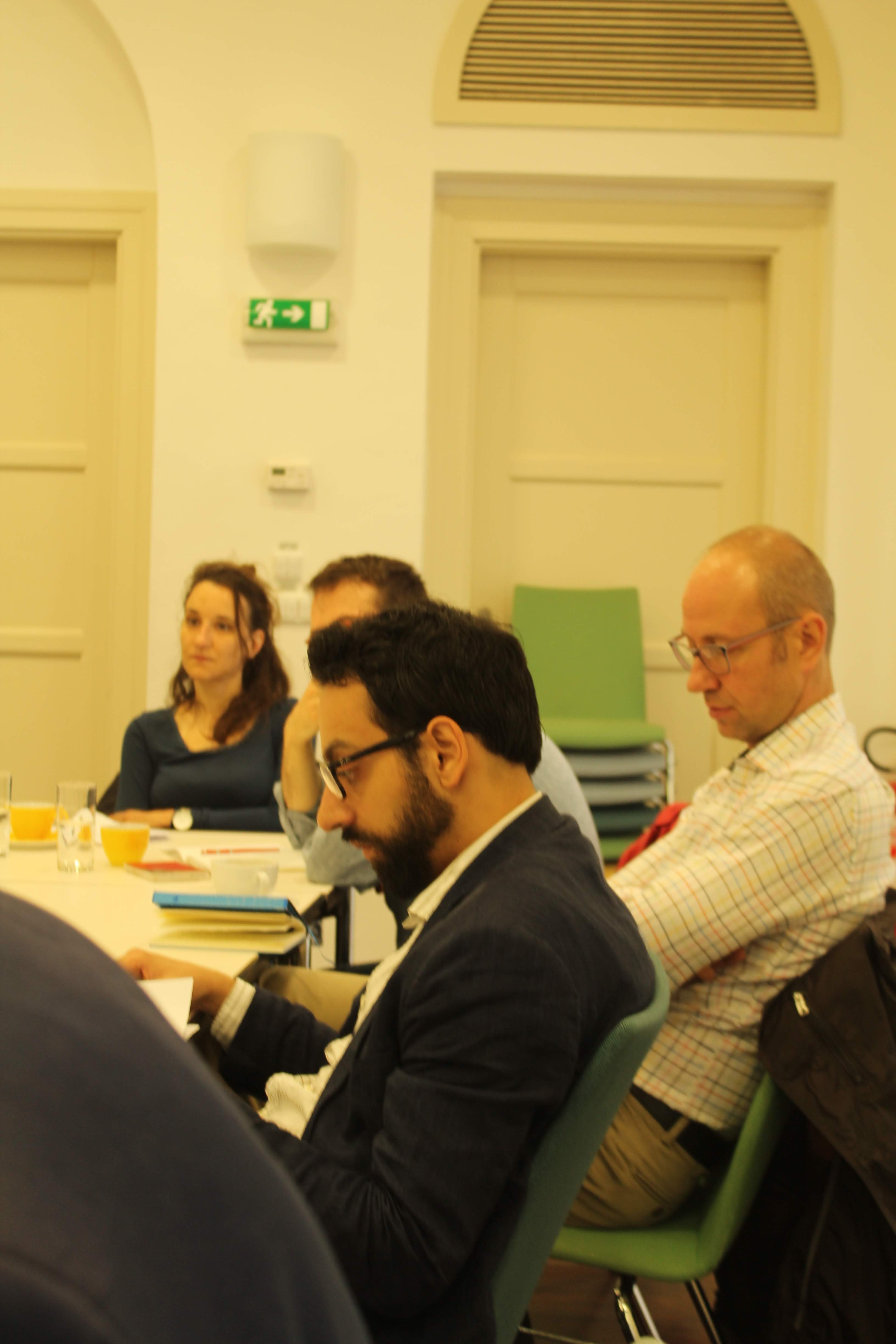
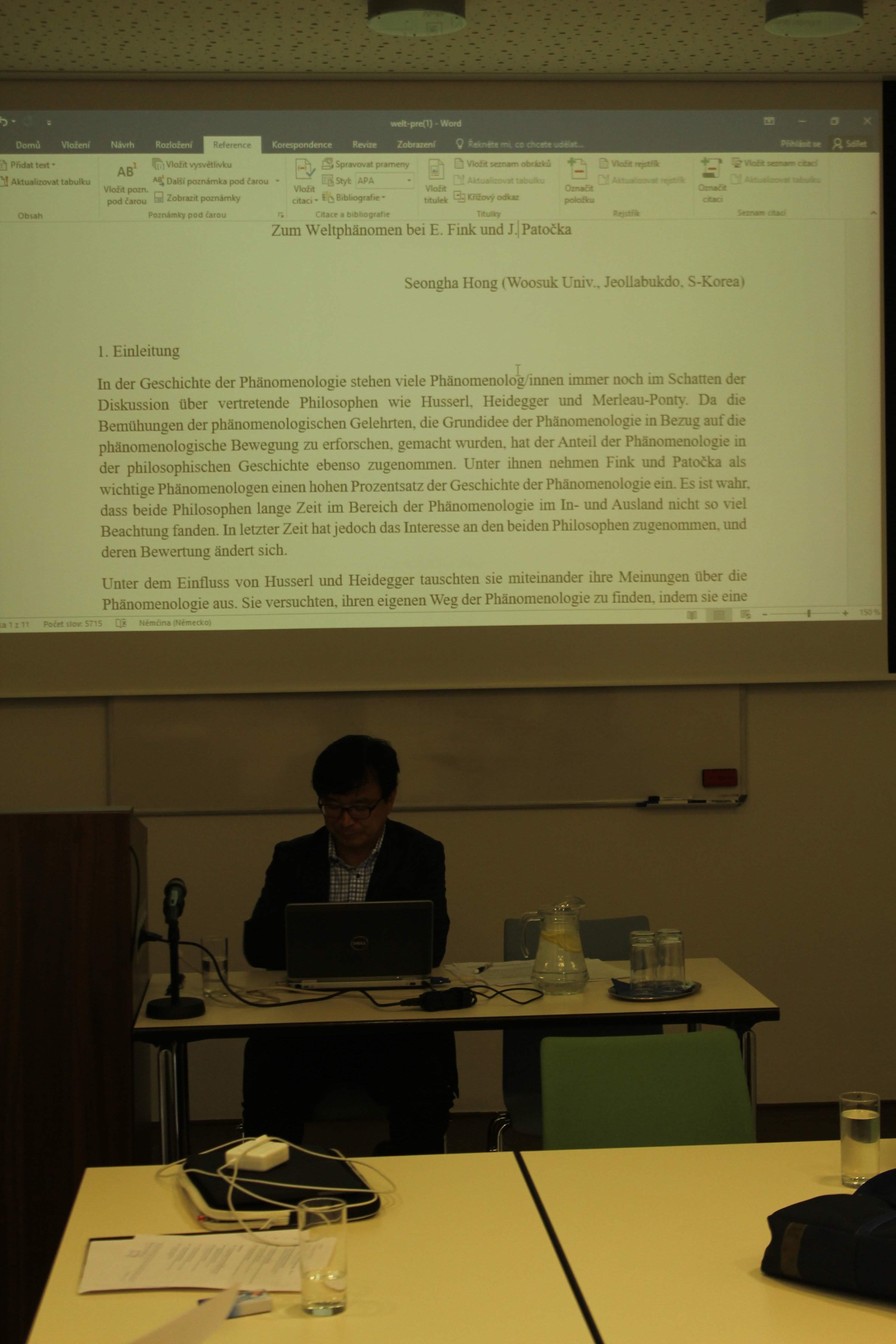
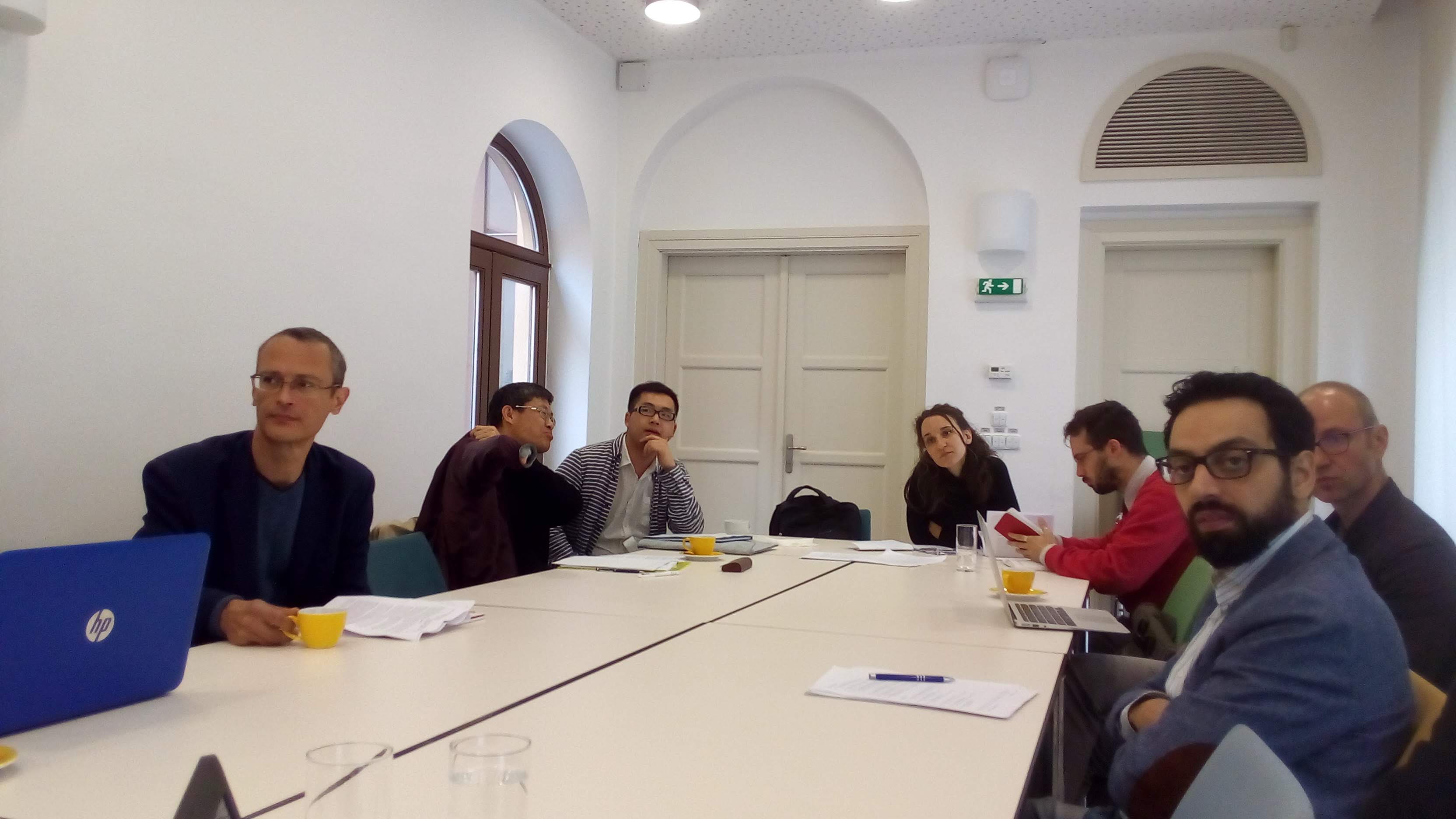
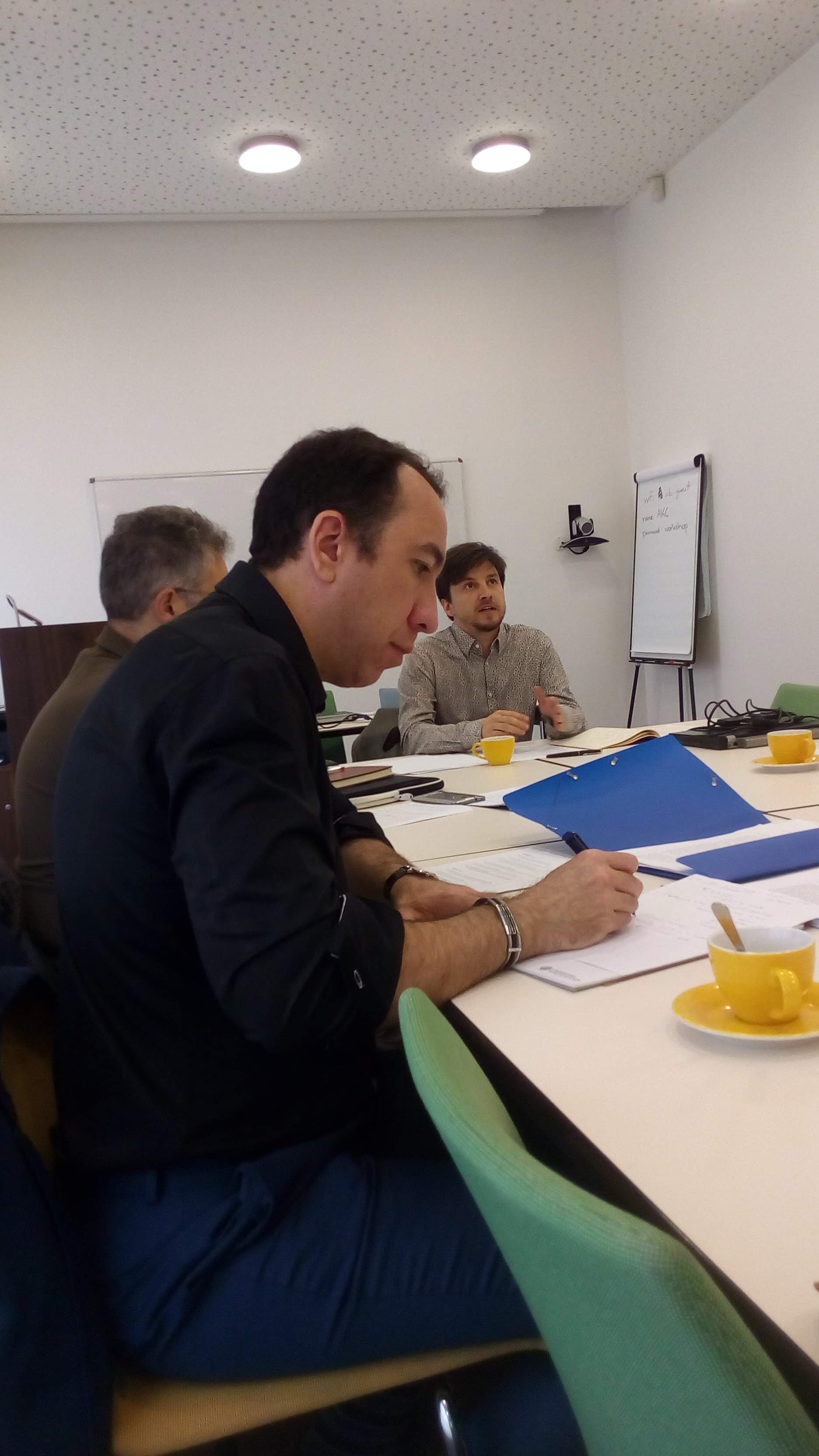
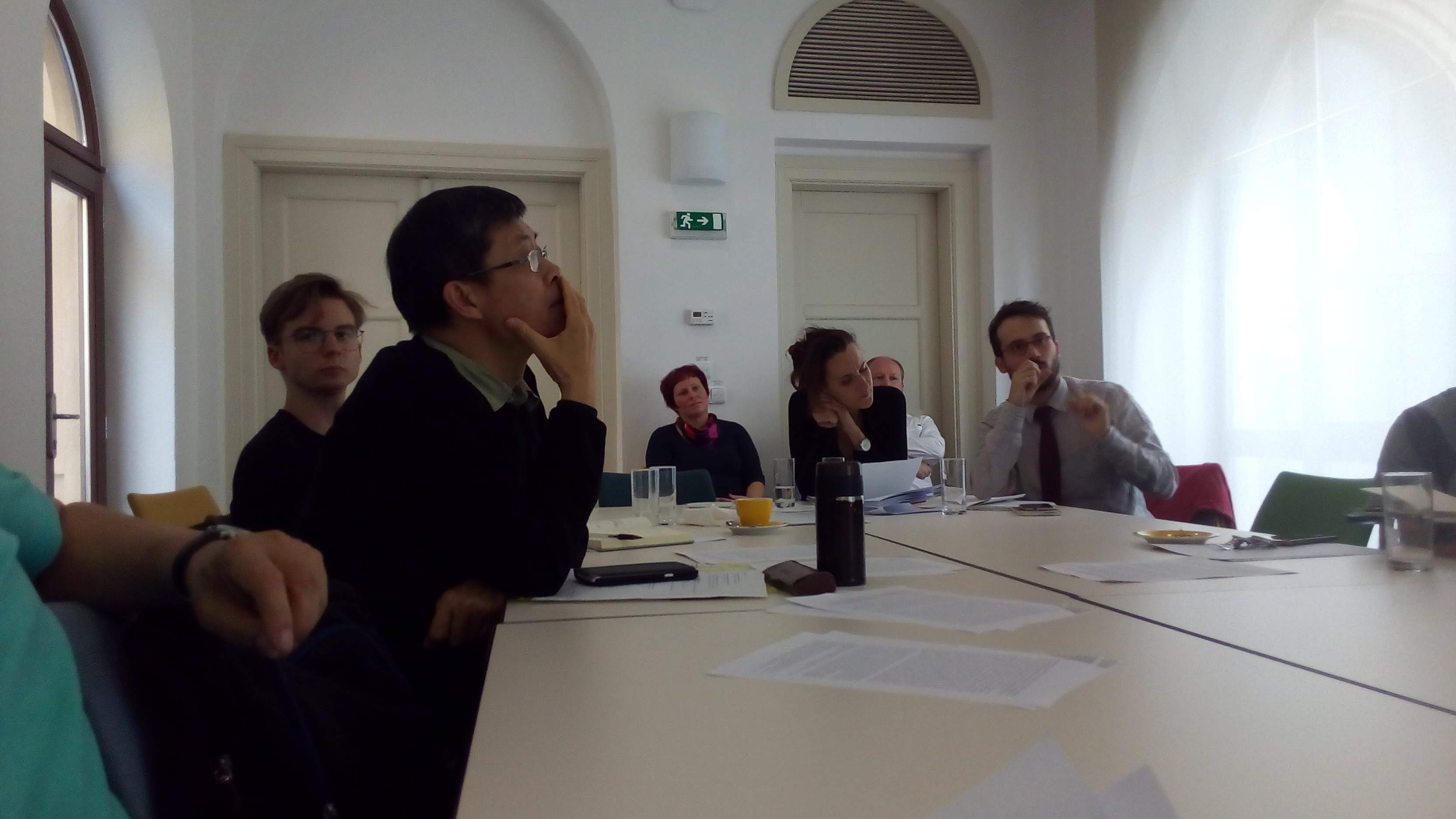
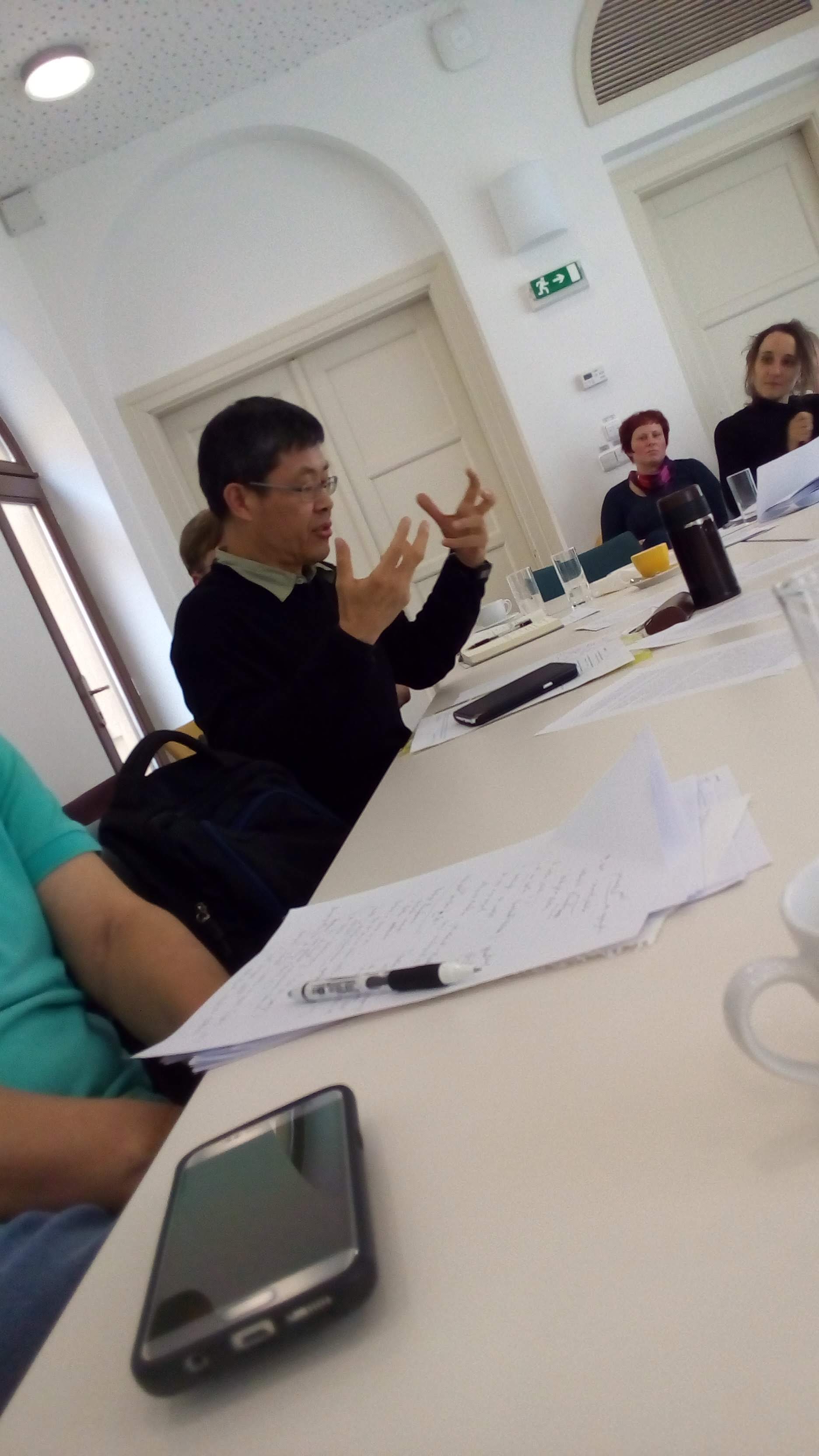
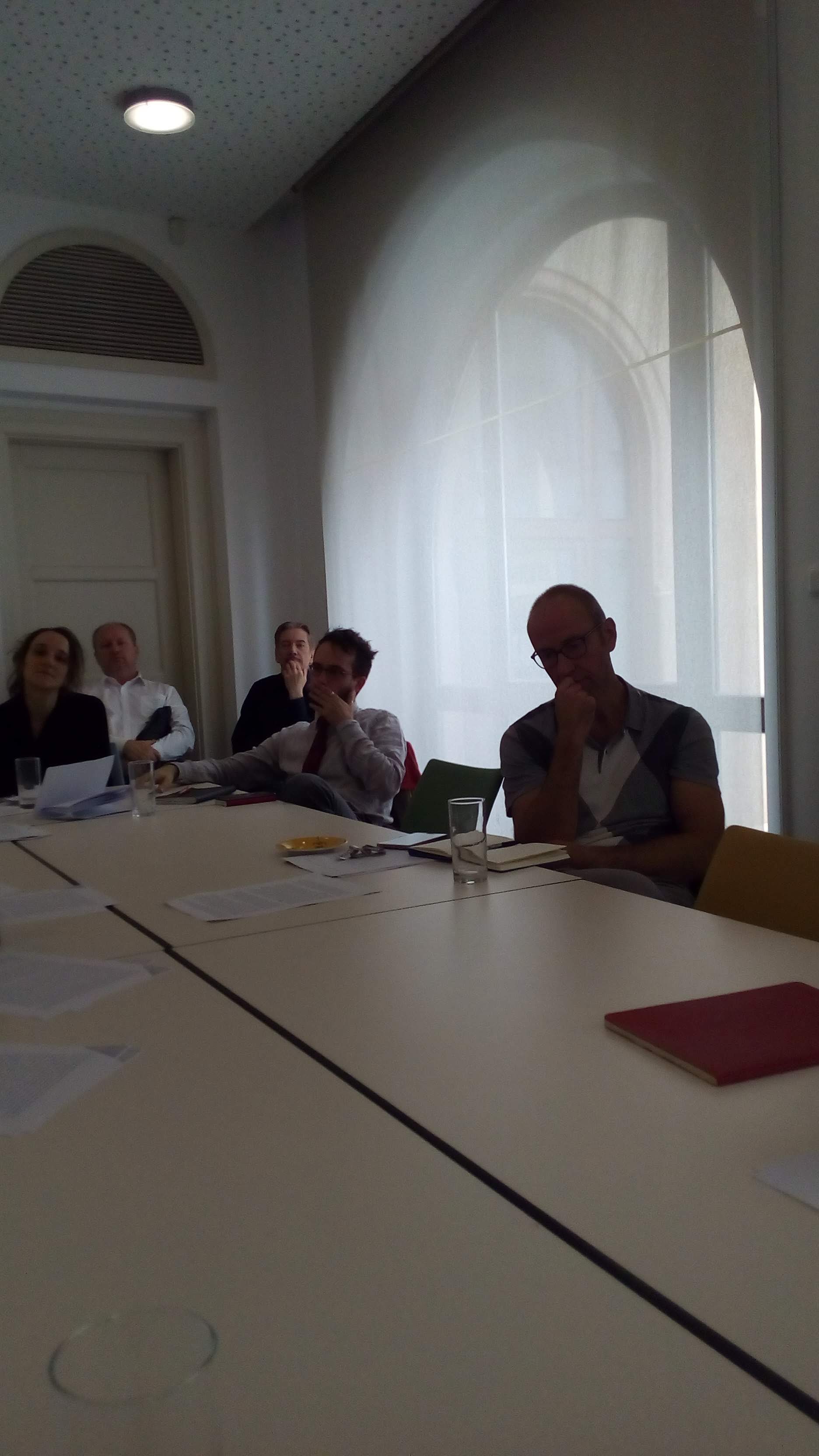
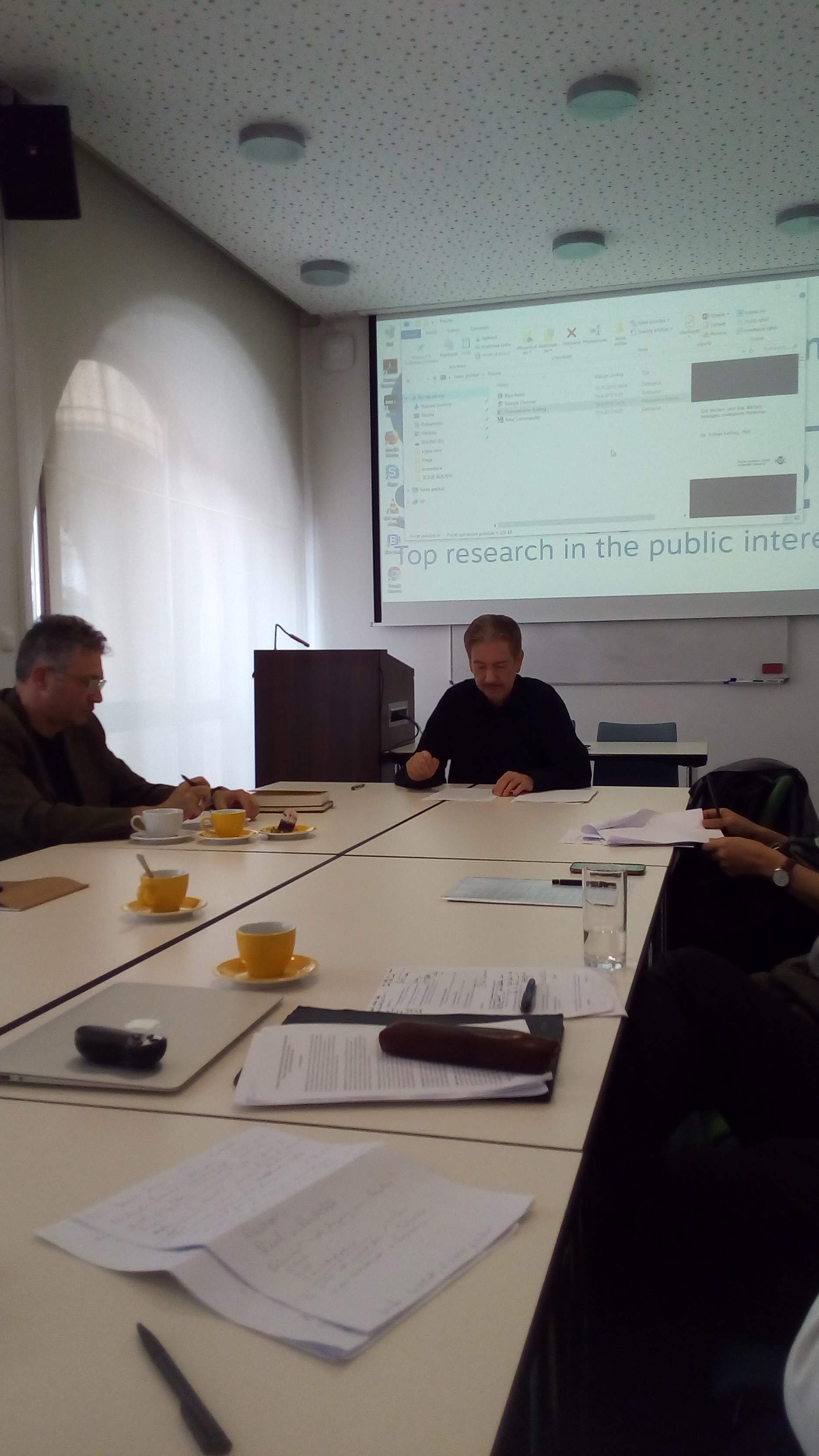
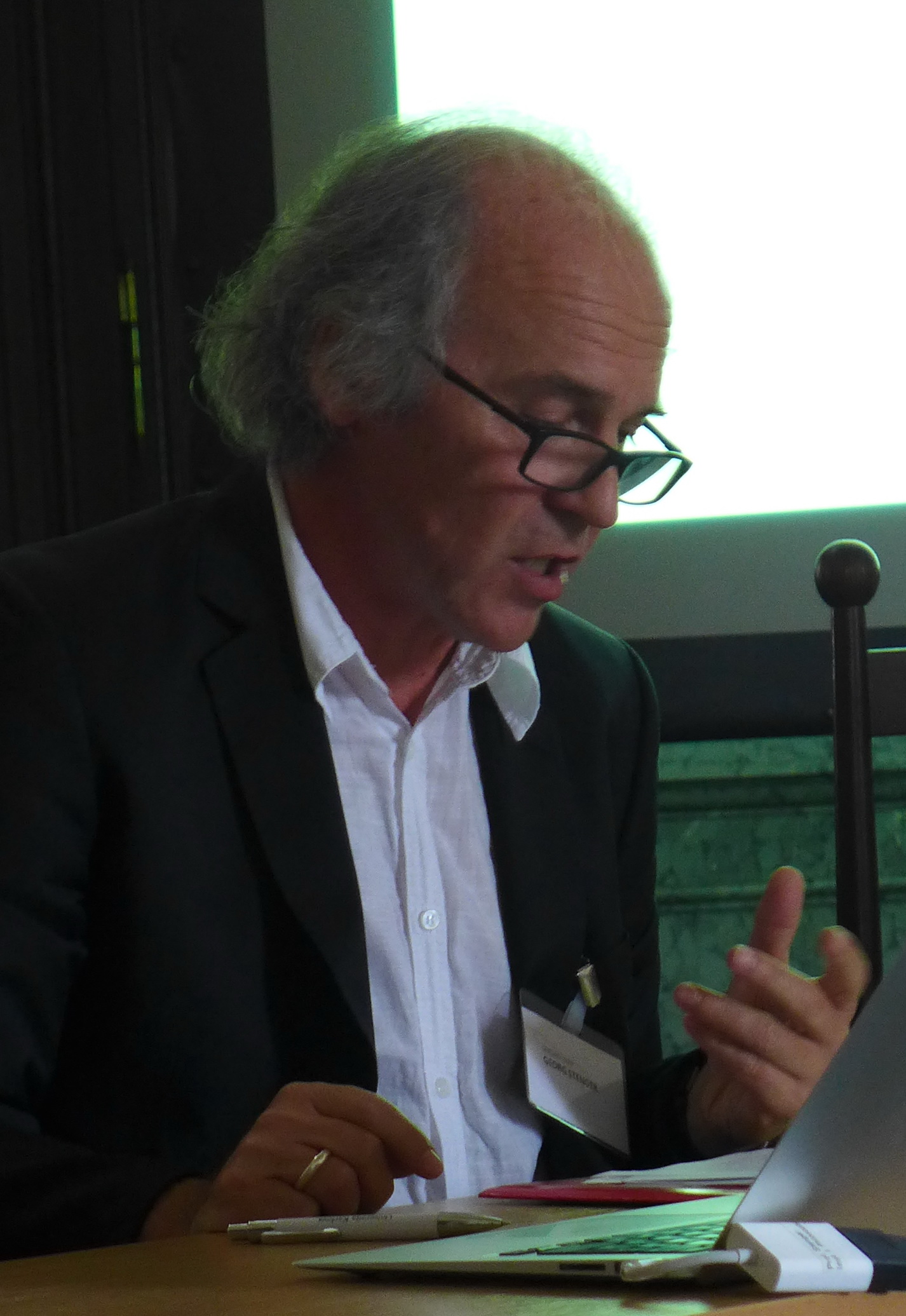
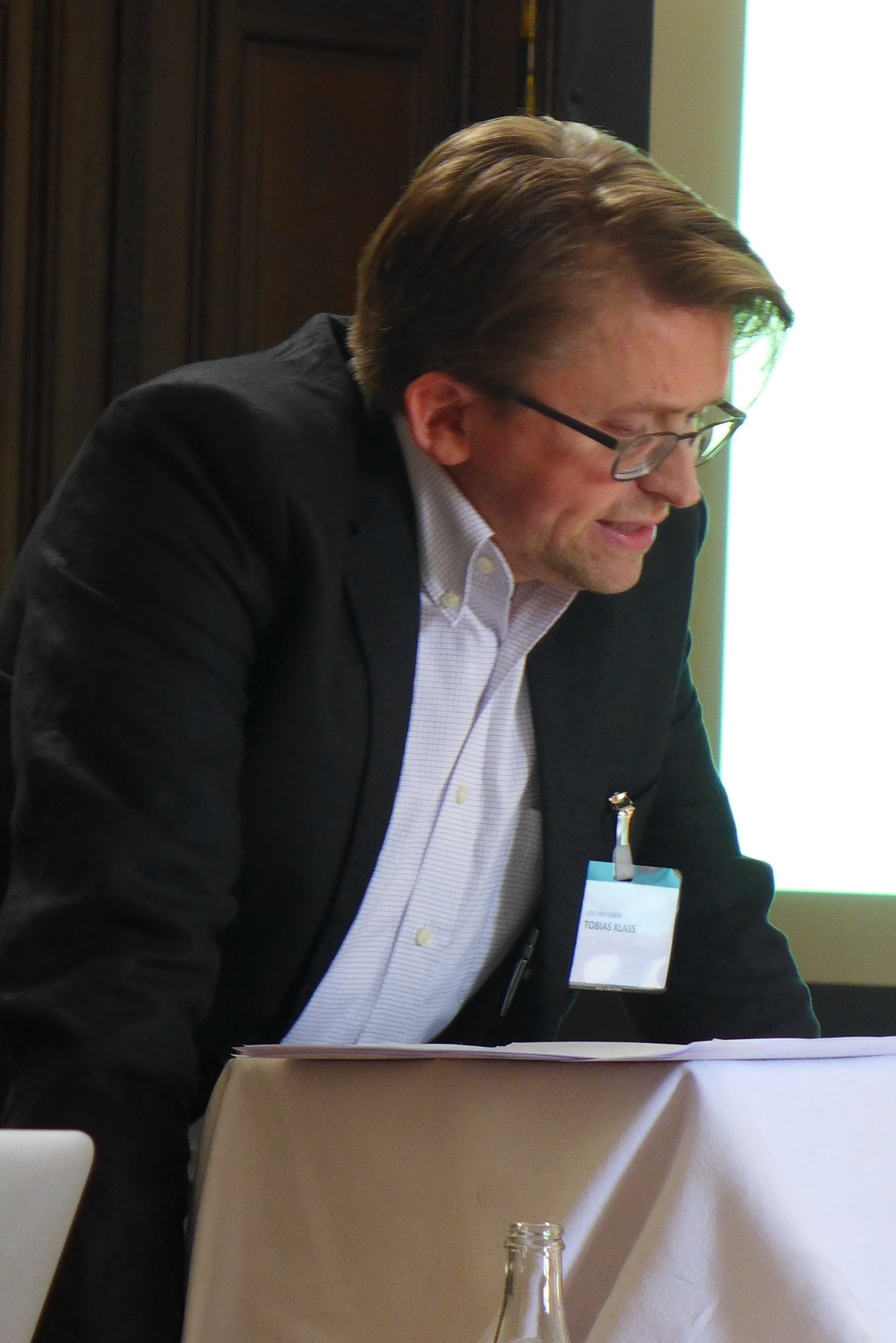
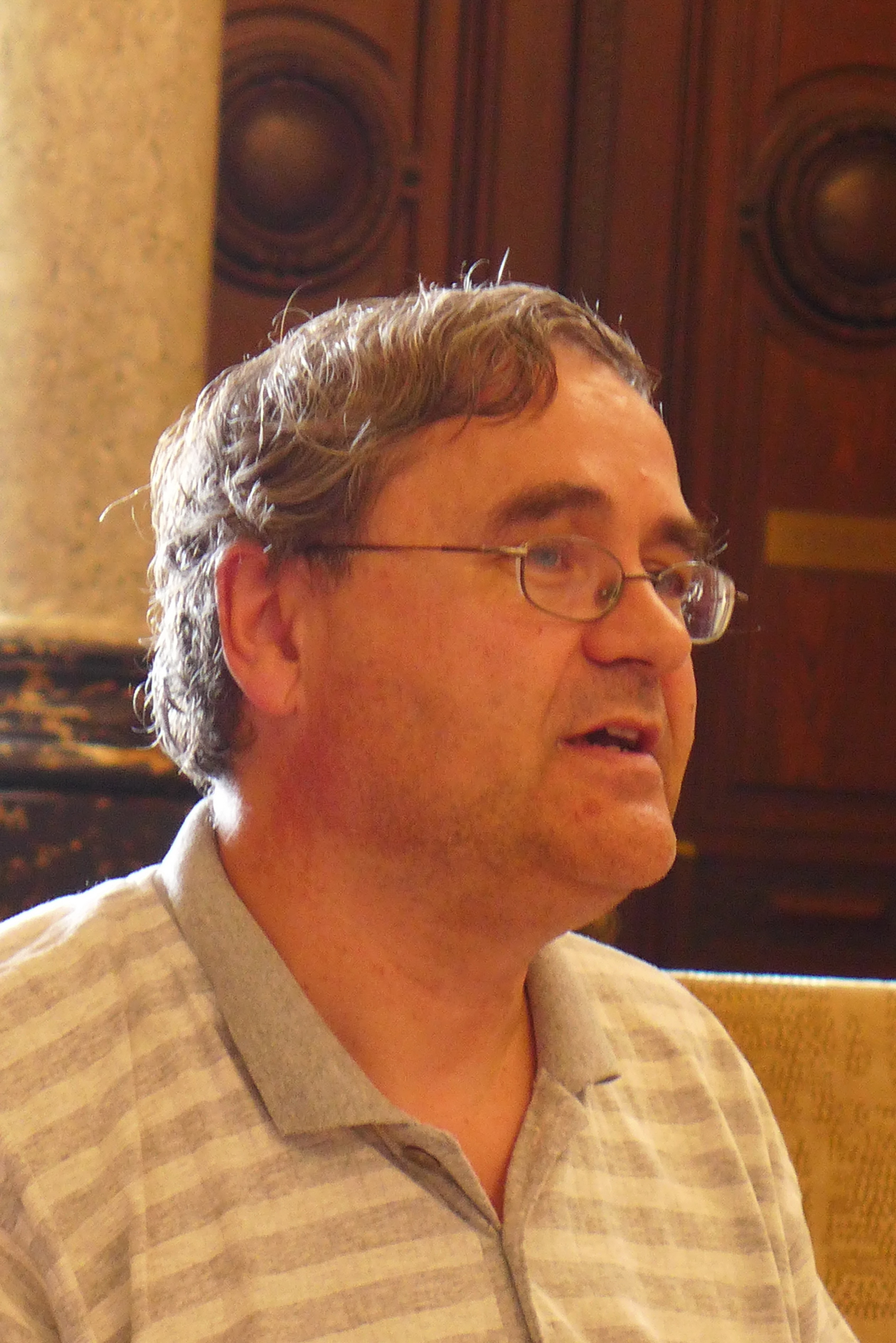
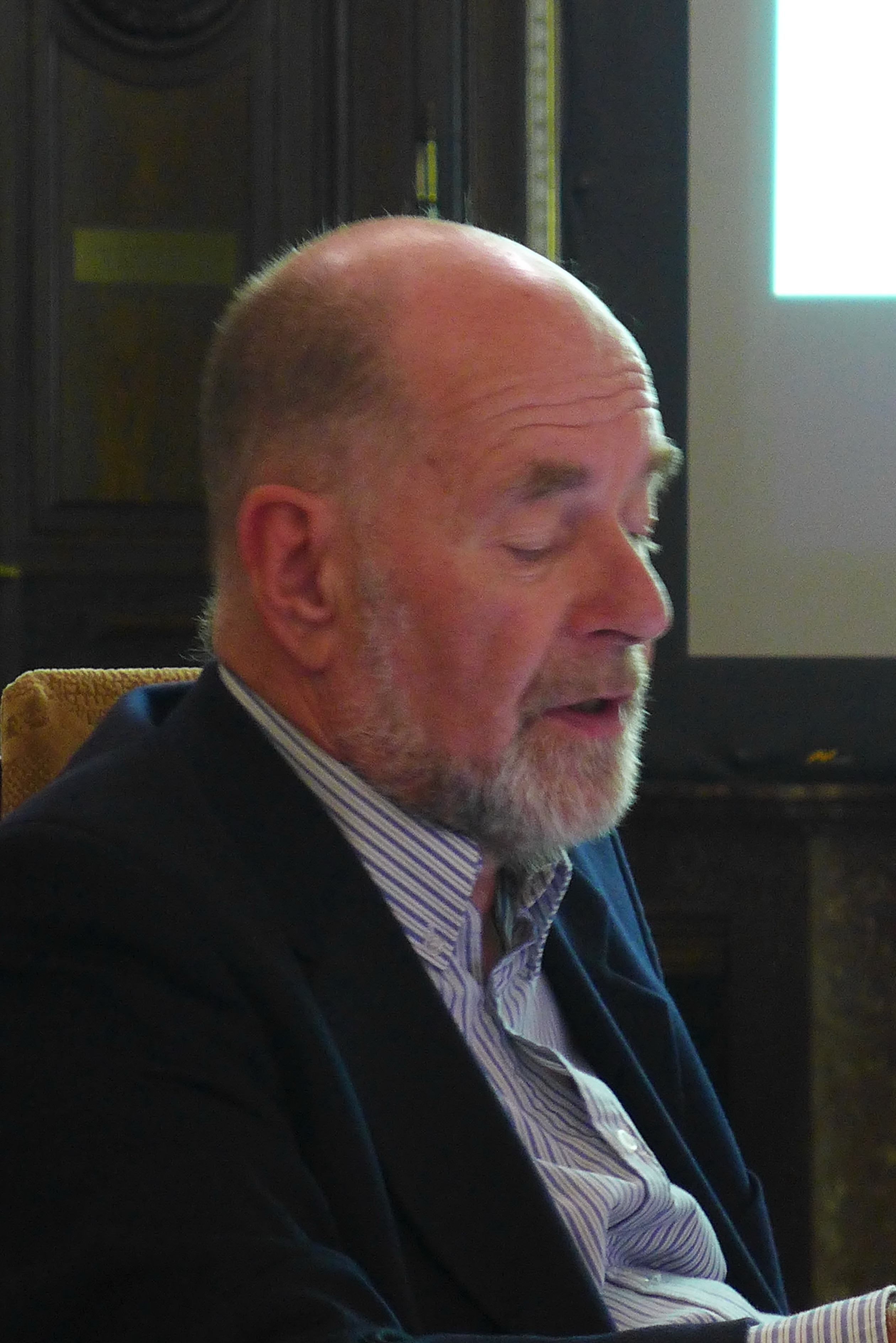
What is SIF? "SIF" stands for "Středoevropský Institut Filosofie" ("The Central-European Institute of Philosophy"). The Institute promotes philosophy and transdisciplinary research. It achieves its goals through a specific curriculum and research, emphasizing the transdisciplinary and intercultural aspects and international cooperation. Furthermore,it hosts workshops and conferences,participates in several publishing activities and promotes the exchange of students and professors.
|
Published on October 6th, 2014 On 1 October 2014, Doc. Karel Novotny Ph.D. received an award for outstanding results of great scientific importance. The award was presented to him by prof. Jiří Drahoš, president of the Academy of Sciences of the Czech Republic, for achievements in research as well as in management of grant projects, research programmes and international projects financed by the Academy of Sciences of the Czech Republic.
More information on: http://www.cas.cz/sd/novinky/hlavni-stranka/2014/141001-ceny-akademie-ved-cr-ziskali-uspesni-vedci.html
Published on October 6th, 2014 A conference of the research project „Philosophical Investigations of Body Experiences: Transdisciplinary Perspectives“ (GAP 401/10/1164) organised by the Central European Institute of Philosophy.
Venue: Chateau Liblice
17 -20 September 2014
Published on August 15th, 2014 Phainomena XXII/84-85, Junij 2013
Edited by Andrina Tonkli Komel and Hans Rainer Sepp
Ljubljana, 2013
*Published in collaboration with:
*Veröffentlicht in Verbindung mit:
Středoevropský institut pro filosofii (SIF) / Central-European Institute for Philosophy /
Mitteleuropäisches Institut für Philosophie, Univerzita Karlova v Praze, Fakulta humanitních studií
/ Charles University Prague, Faculty of Human Sciences / Karls-Universität Prag, Fakultät für
Humanwissenschaften.
Download the publication
Published on August 15th, 2014 A conference of the research project „Philosophical Investigations of Body Experiences: Transdisciplinary Perspectives“ (GAP 401/10/1164) organised by the Central European Institute of Philosophy.
Venue: Chateau Liblice (http://www.chateau-liblice.com/)
17 -20 September 2014
The invited key note speakers include:
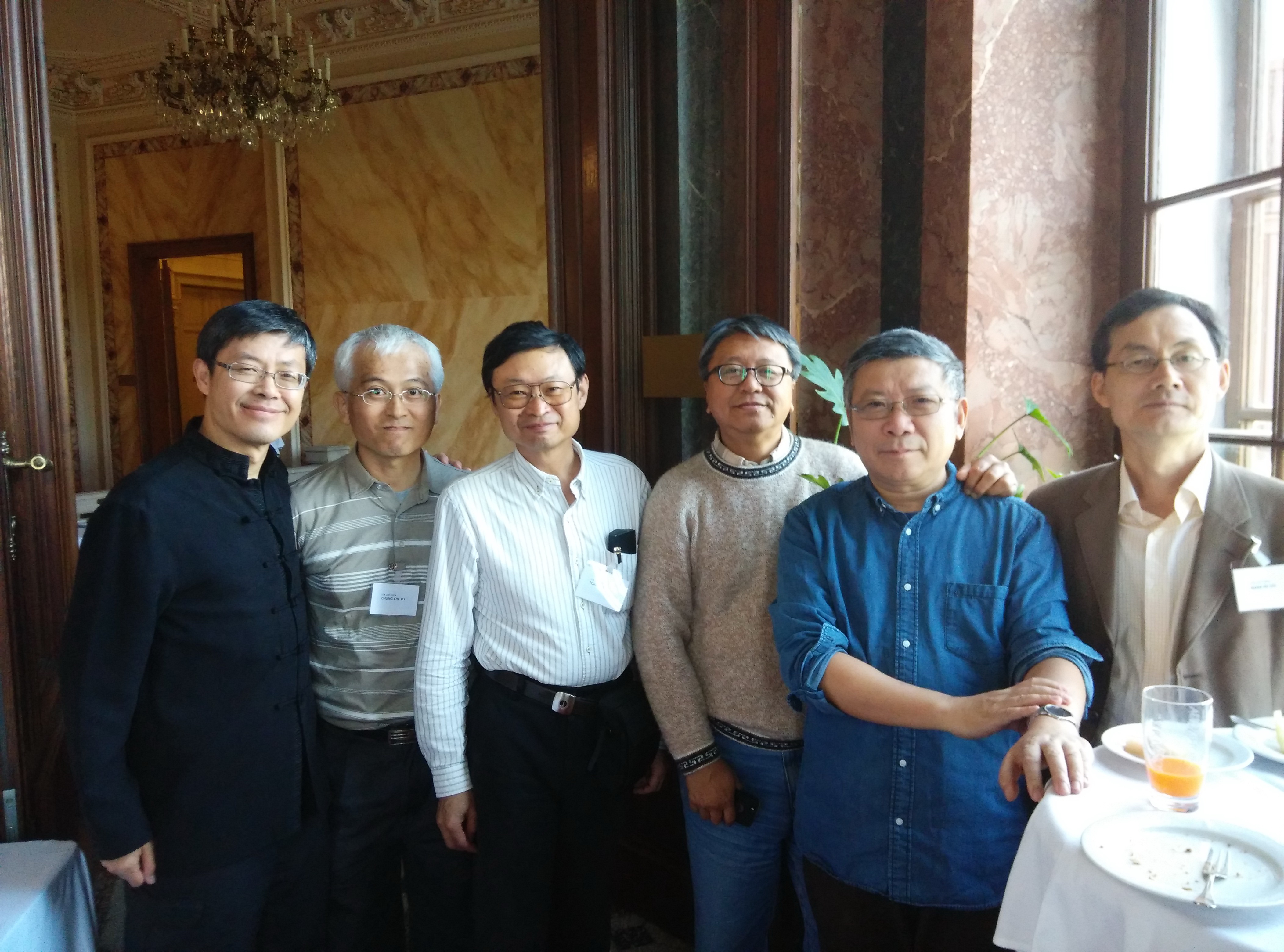
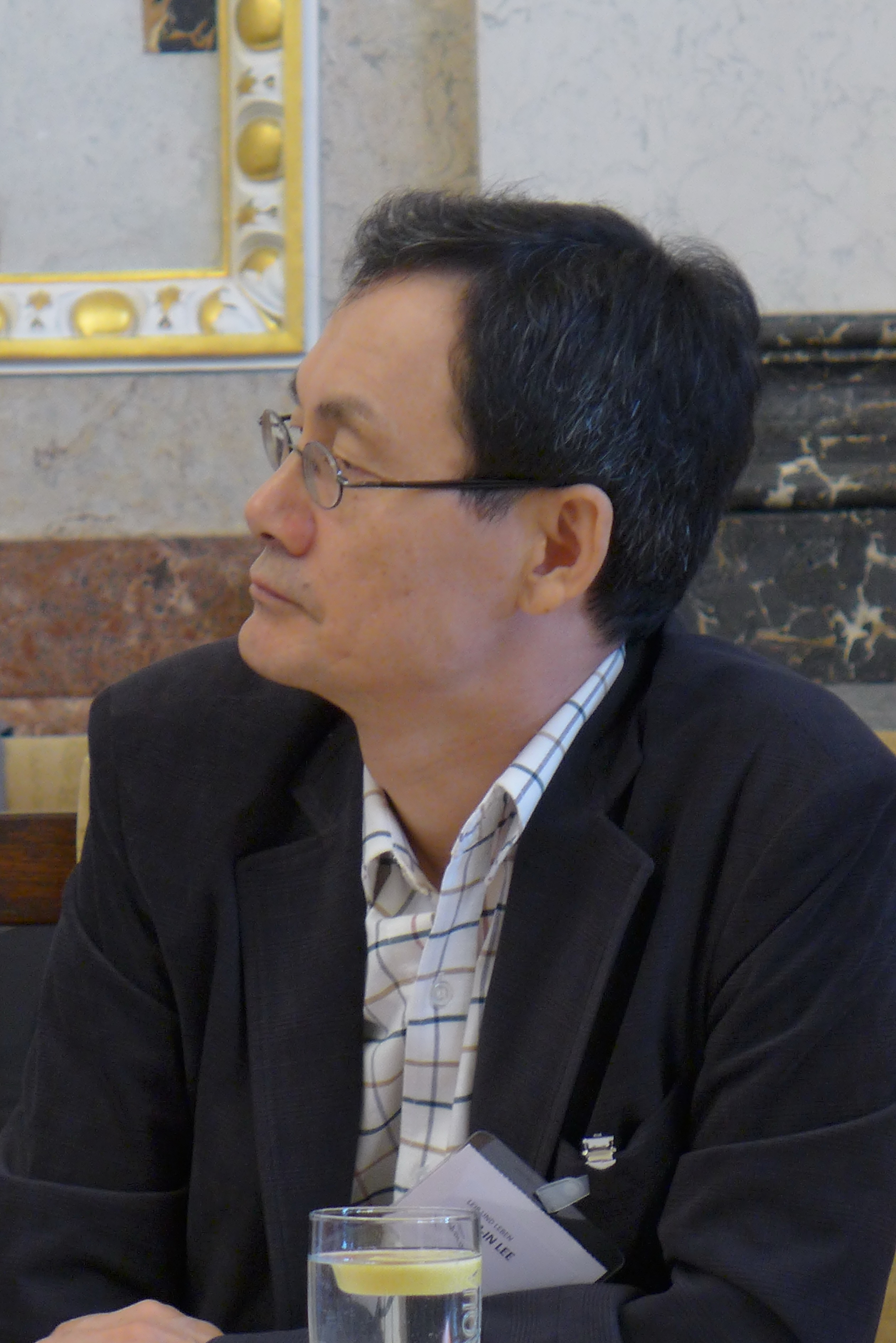
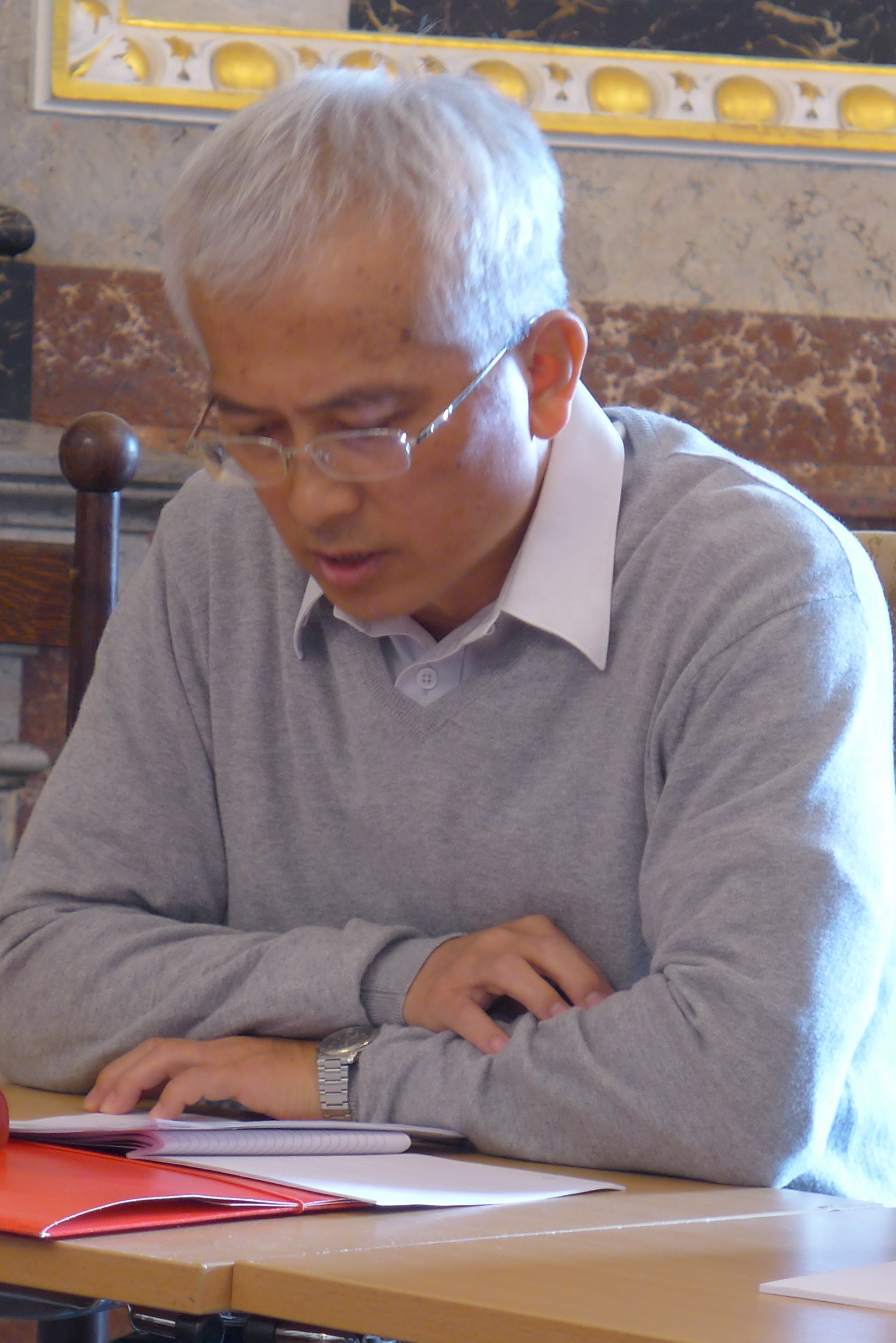
CHEUNG Chan-Fai (Hong Kong), HONG Seongha (Soul), Dean Komel (Ljubljana), LAU Kwok-ying (Hong Kong), LEE Nam-In (Soul), NI Liangkang (Guang Zhou), Javier San Martín (Madrid), Tatiana Shchyttsova (Vilnius), Georg Stenger (Wien), TANI Toru (Kyoto), YU Chung-Chi (Kaoshiung), Roberto Walton (Buenos Aires)
Speakers from the Czech Republic:
Ivan Blecha, Petr Kouba, Alice Koubová, James Mensch, Karel Novotný, Petr Urban, Hans Rainer Sepp
Organized by:
Department of Contemporary Continental Philosophy, Institute of Philosophy, Academy of Sciences of the Czech Republic
Department of German and French Philosophy (EuroPhilosophie), Faculty of Humanities, Charles University in Prague
Contact: Karel Novotný – novotnykcz@yahoo.de
Download the program
Published on August 15th, 2014 Research program „Phenomenology and Semiotics“ of the Framework for the Developement of Scientific Domains at Charles University in Prague, accomplished by the Faculty of Humanities, has the honour of inviting you to a series of lectures on topics in contemporary French philosophy presented by Professor Anthony Steinbock from Southern Illinois University, Carbondale, U. S.
Professor Steinbock’s research interests include primarily contemporary German and French philosophy, especially phenomenology and its development in thinkers like Husserl, Merleau-Ponty, Scheler, Heidegger, Levinas, Derrida, Marion, Waldenfels, and Lefort.
Venue: Institute of Philosophy, Academy of Sciences of the Czech Republic, Jilska 1, Prague 1, room no. 124a
4 November 2014, 5 – 7 p. m.: “Erotic Perception: Intersubjectivity, History, and Shame”
5 November 2014, 5 – 7 p. m.: “Moral Emotions and Social Imaginaries”
6 November 2014, 5 – 7 p. m: “From the Gift to the Beloved: Toward a Phenomenology of Loving”
All students and researchers interested in the research topics are cordially invited to participate.
For more information on Professor Steinbock’s research interests please refer to: http://www.phenomenologyresearchcenter.org/?page_id=115
Contact:
Karel Novotný PhD
Associate Professor
Department of German and French Philosophy (EuroPhilosophie), Faculty of Humanities Charles University in Prague
U Kříže 8
15800 Prague 5
Web: www.fhs.cuni.cz/europhilosophie
karel.novotny@fhs.cuni.cz
Published on August 15th, 2014 Prof. Robert Theis
Kant et le projet d´une reforme de la métaphysique
Faculté des sciences humaines, Université Charles de Prague, a le plaisir de pouvoir accueillir prof. Robert Theis, professeur émérite de L’Université de Luxembourg, en semestre d’hiver de l’année académique 2014-15.
Prof. Theis enseignera un cours concentré « Kant et le projet d´une reforme de la métaphysique » entre 29 septembre et 11 octobre à FHS UK à Jinonice, U Kříže 8, Prague 5 (pour détails des salles et emploi du temps, consultez les sites Europhilosophie à Prague: http://www.fhs.cuni.cz/europhilosophie/index.php/offre-de-cours/. Tous les étudiants et chercheurs interessés au sujet de ce cours sont invités à participer. Professeur Theis est spécialiste de Christian Wolff, Immanuel Kant, Hans Jonas, métaphysique et philosophie de la religion.
Profil de Professeur Robert Theis (Université de Luxembourg)
http://wwwfr.uni.lu/recherche/flshase/laboratoire_de_philosophie_et_d_histoire_des_idees/people/robert_theis
Prof.Mary Beth Mader et Dr. Anne Gléonec
Autour de la biopolitique : Michel Foucault – héritages et perspectives politiques
Le département MEM EuroPhilosophie se réjouit de pouvoir inviter Prof. Mary Beth Maderde University of Memphis pour enseigner un cours en français pour les étudiants francophones du programme EuroPhilosophie. Prof. Mader se spécialise à la recherche dans la philosophie continentale du 20e siècle, la théorie féministe et ethique. Elle enseignera le cours „Autour de la biopolitique : Michel Foucault – héritages et perspectivespolitiques“ en coopération avec Dr. Anne Gléonec qui revient à la Faculté des sciences humaines après avoir enseigné des cours du programme MEM EuroPhilosophie dans les années académiques prédédentes. Le cours sera concentré dans deux semaines entre 31 octobre et 10 novembre 2014(pour détails des salles et emploi du temps, consultez les sites Europhilosophie à Prague : http://www.fhs.cuni.cz/europhilosophie/index.php/offre-de-cours/)
Profil de Prof. Mary Beth Mader (Memphis)
http://www.memphis.edu/philosophy/bios/mader.php
Published on July 28th, 2014 See the news texts from H. R. Sepp at our text page.
Published on May 12th, 2014 Workshop
14. und 15. Mai 2014
Fakulta humanitních studií, U Kříže 8, Praha 5 – Jinonice
Programm herunterladen
Published on May 7th, 2014 7–9 Mai 2014
Národní třída 3, Prague 1
Salle 205
une conférence organisée par:
Université Charles de Prague, Faculté des sciences humaines
Académie des Sciences de la République Tchèque
Voir le poster
Voir le programme
Published on April 23rd, 2014 Internationales Kolloquium
30. April bis 2. Mai 2014
Vila Lanna, V Sadech 1, Praha 6 – Bubenec
Veranstaltet von:
Stredoevropský institut pro filosofii (SIF) / Mitteleuropäisches Institut für Philosophie
Fakultät für Humanwissenschaften der Karls-Universität Prag
Institut für Philosophie der Akademie der Wissenschaften der Tschechischen Republik
Die philosophische Anthropologie erlebt seit etlichen Jahren eine Renaissance. Dabei geht es ihr nicht nur darum, die Kerntexte der Autoren ihrer ‚klassischen’ Periode – Max Scheler, Helmuth Plessner, Arnold Gehlen – neu anzueignen, sondern auf lebensweltliche und wissen-schaftliche Veränderungen der Gegenwart zu reagieren, die veränderte Fragen nach dem Le-bewesen ‚Mensch’ provozieren. Es könnte nun an der Zeit sein, eine Bestandsaufnahme dieser vieljährigen und mannigfaltigen Bemühungen vorzunehmen. Das Prager Kolloquium will sich dieser Aufgabe in einem bescheidenen Rahmen widmen. Dabei soll es jedoch nicht um eine Rückschau auf das bisher Erreichte gehen. Vielmehr will das Kolloquium zu Überlegungen darüber motivieren, wie philosophische Anthropologie künftig vonstatten gehen könnte. Dabei stehen Fragen wie die folgenden im Mittelpunkt: Welche Themenfelder wurden in bisherigen Forschungen zur philosophischen Anthropologie zu wenig berücksichtigt oder gar ausgeblendet? Wie sollte das ‚Philosophische’ in der Wendung ‚philosophische Anthropolo-gie’ verstanden werden, und welchen Ort sollte diese in heutigen Wissenschaftskulturen, ins-besondere mit Blick auf interdisziplinäre und interkulturelle Fragestellungen, einnehmen? Ist das Genre der philosophischen Anthropologie zeitgemäß, oder sollte es transformiert werden, und was wären die Möglichkeiten einer solchen Transformation?
Programm herunterladen
|
|