Upcoming Events

Photo Gallery

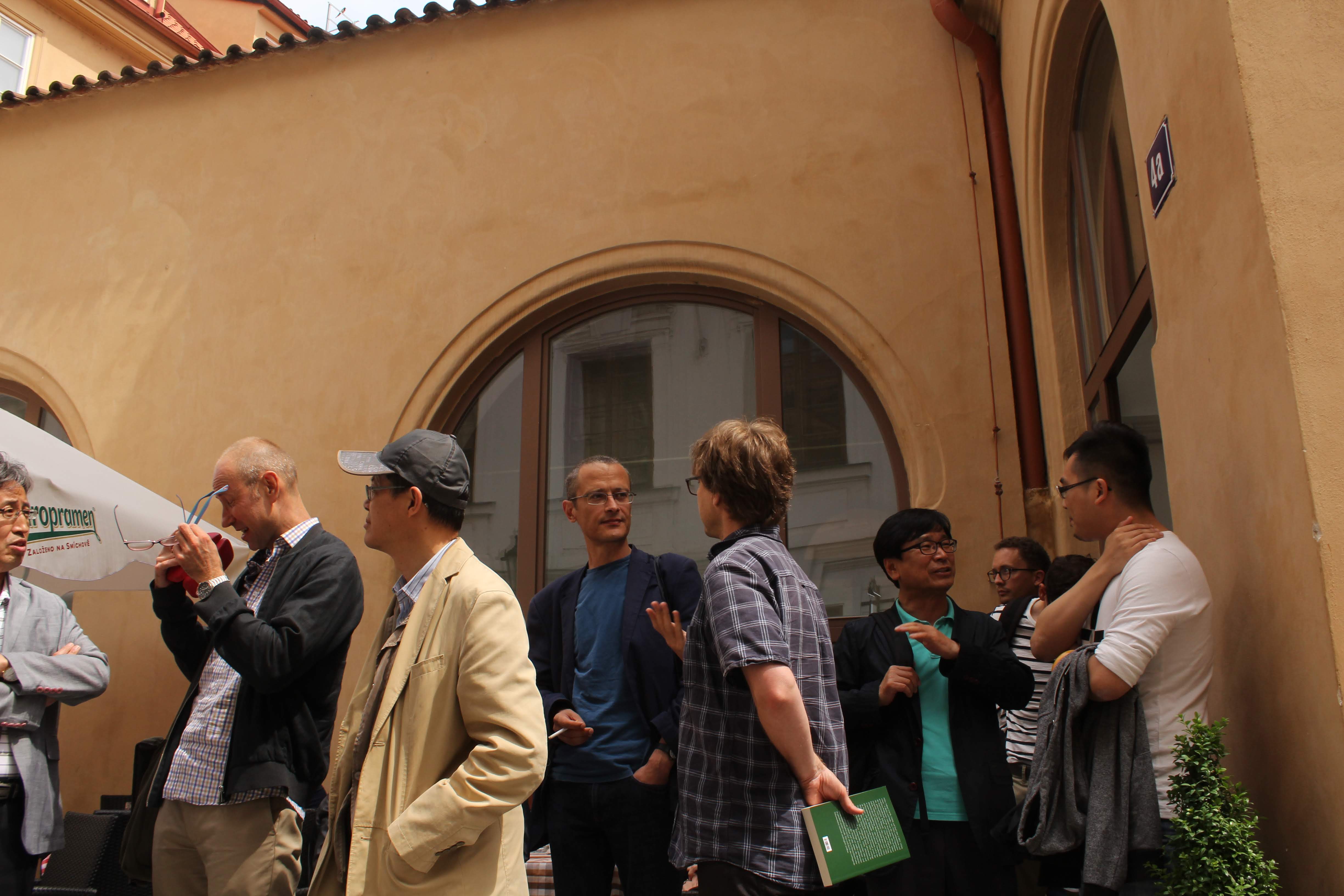
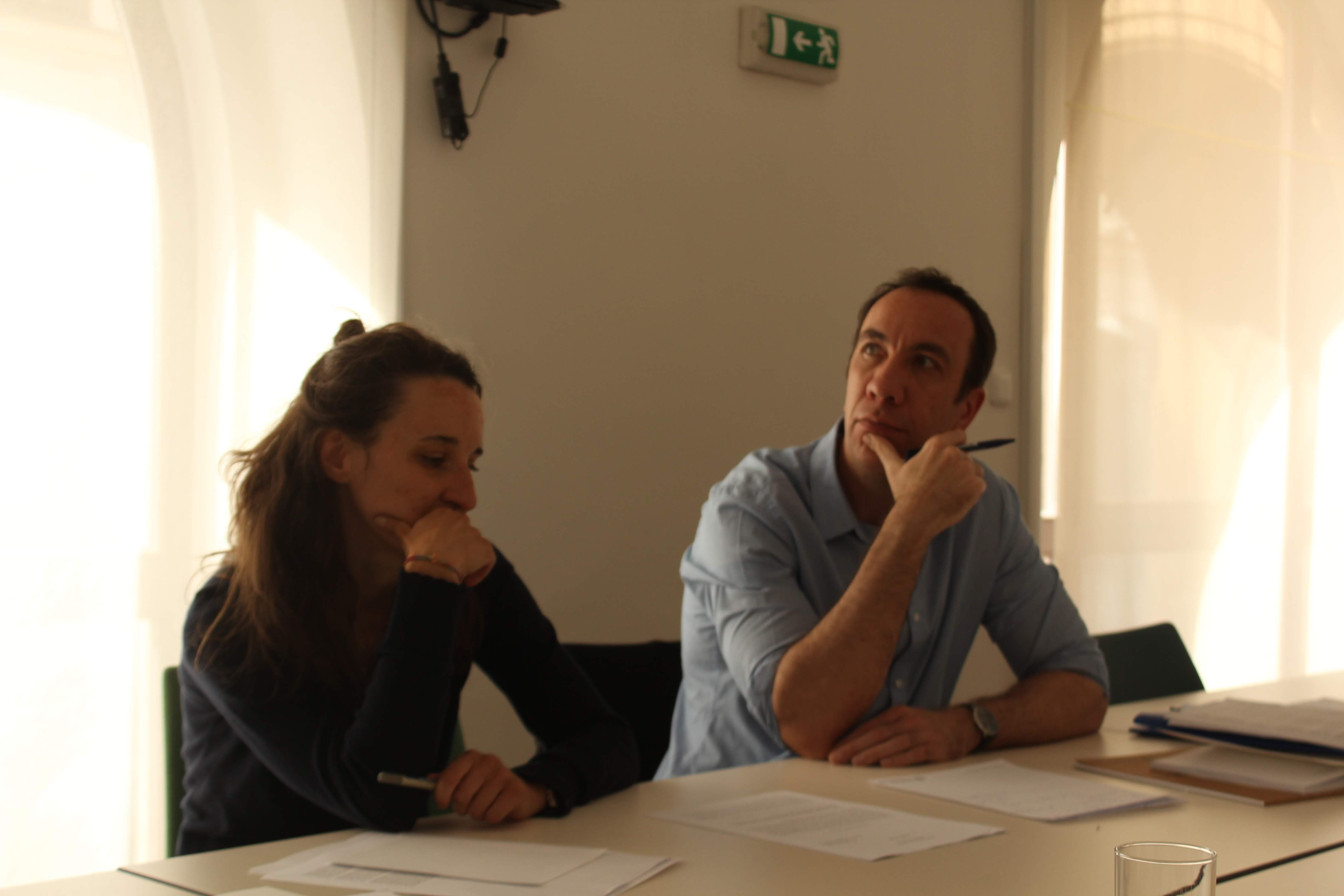
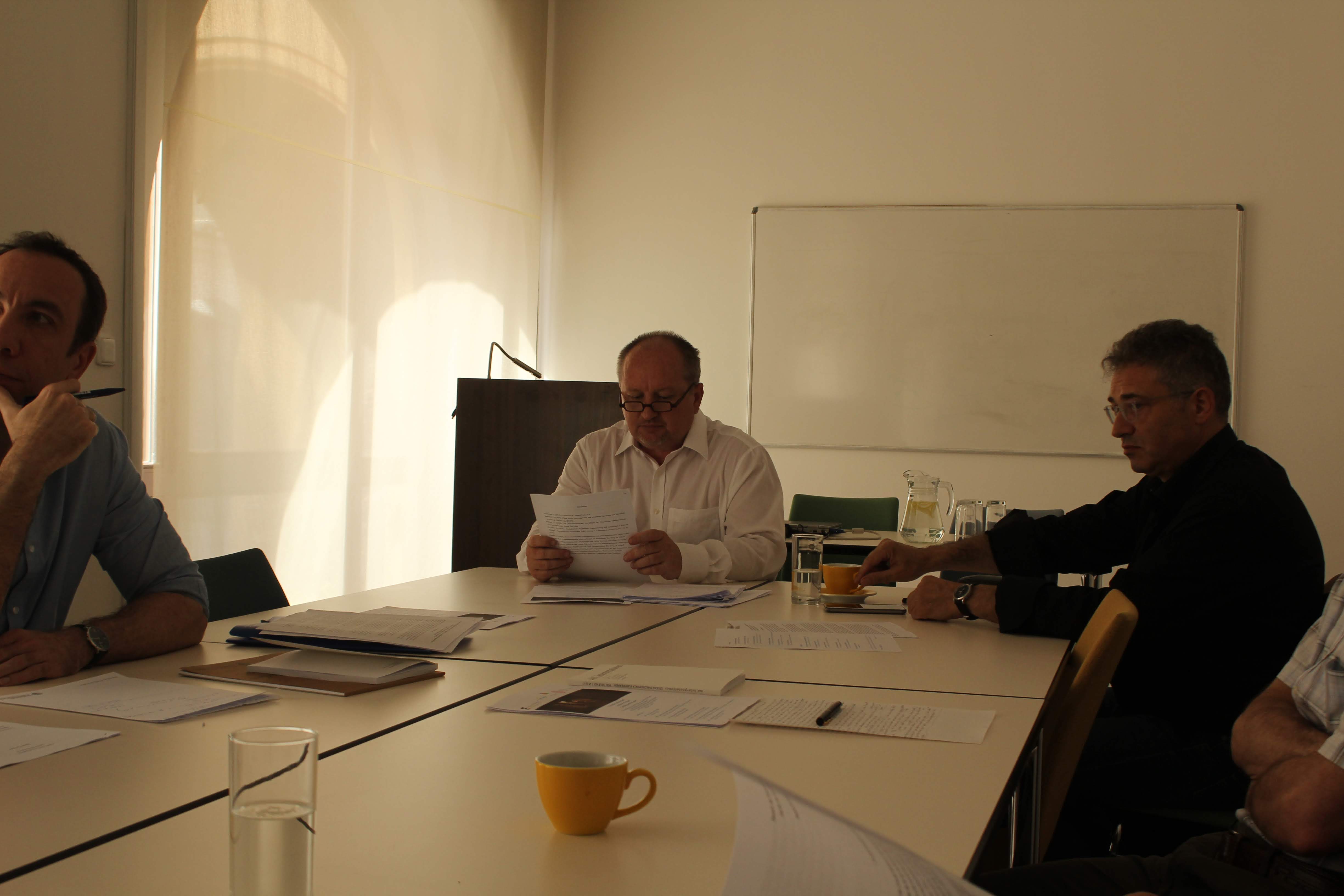
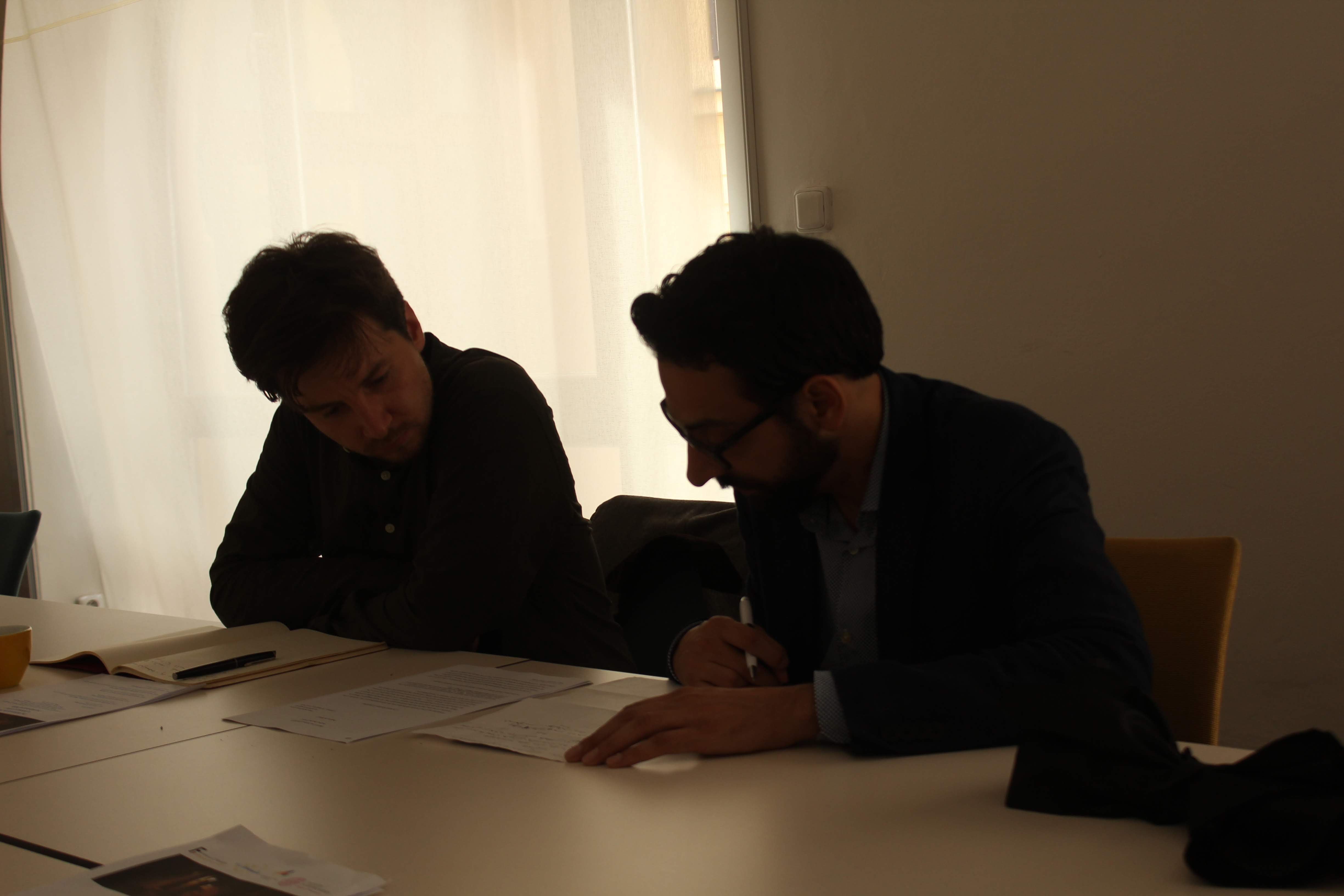
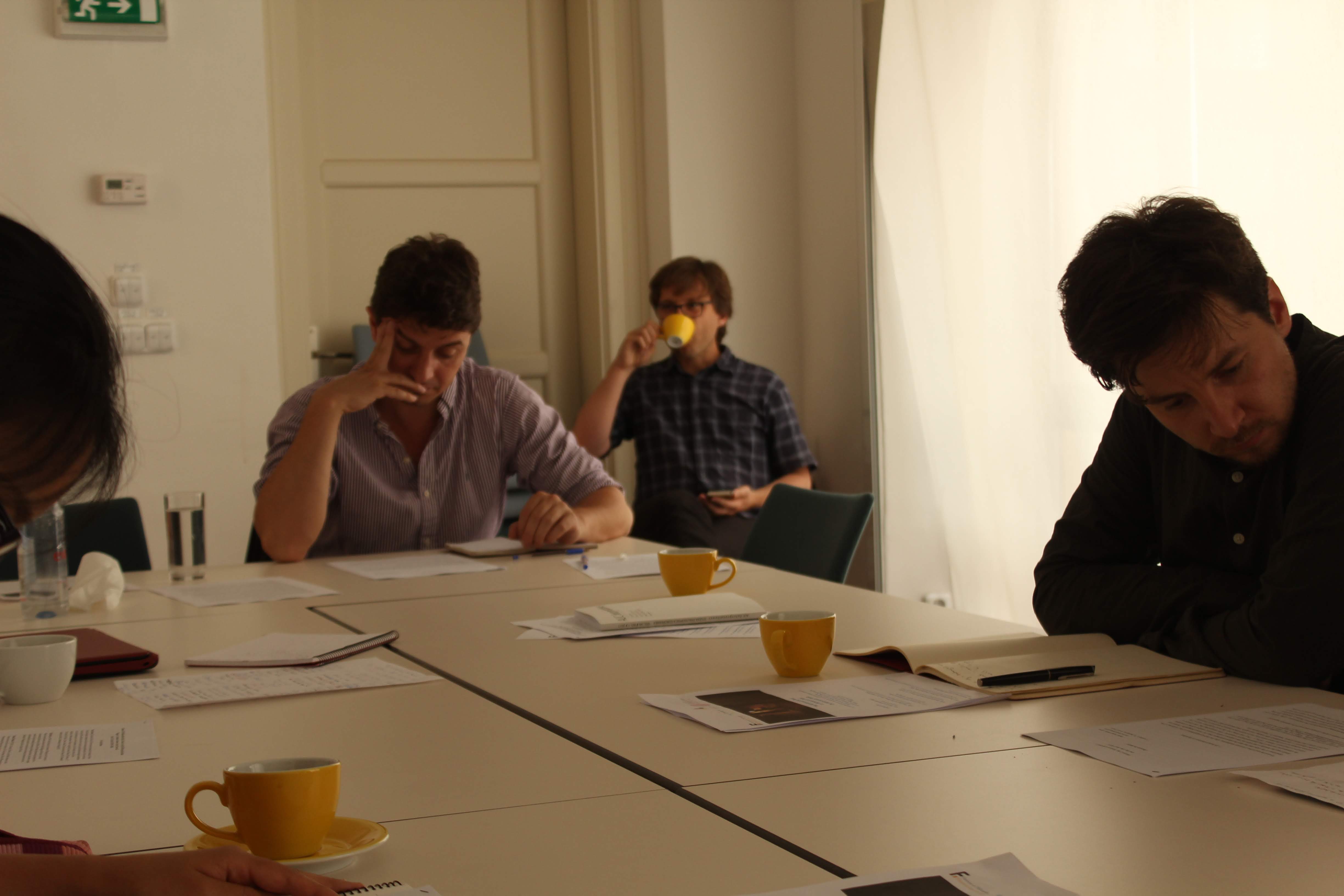
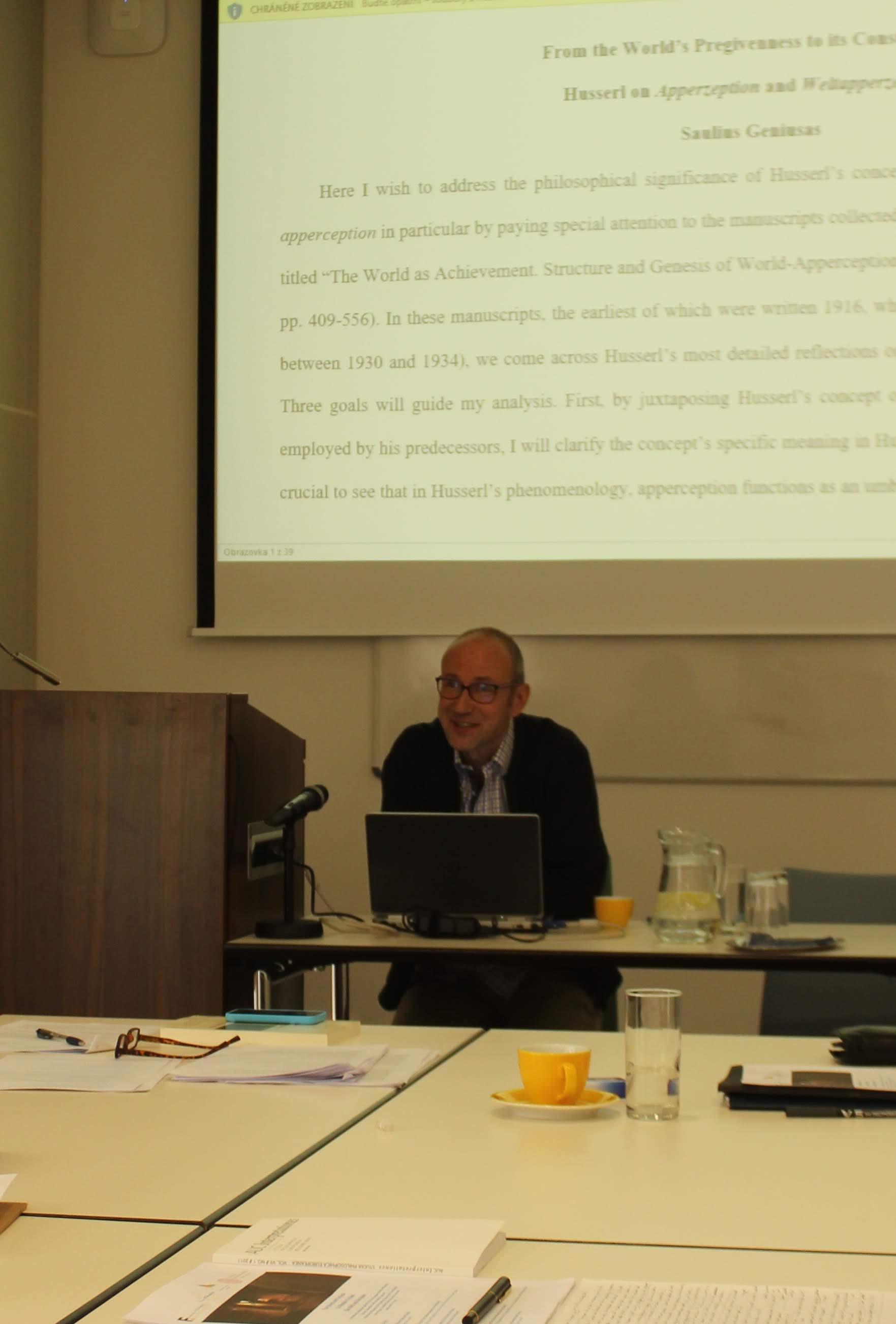
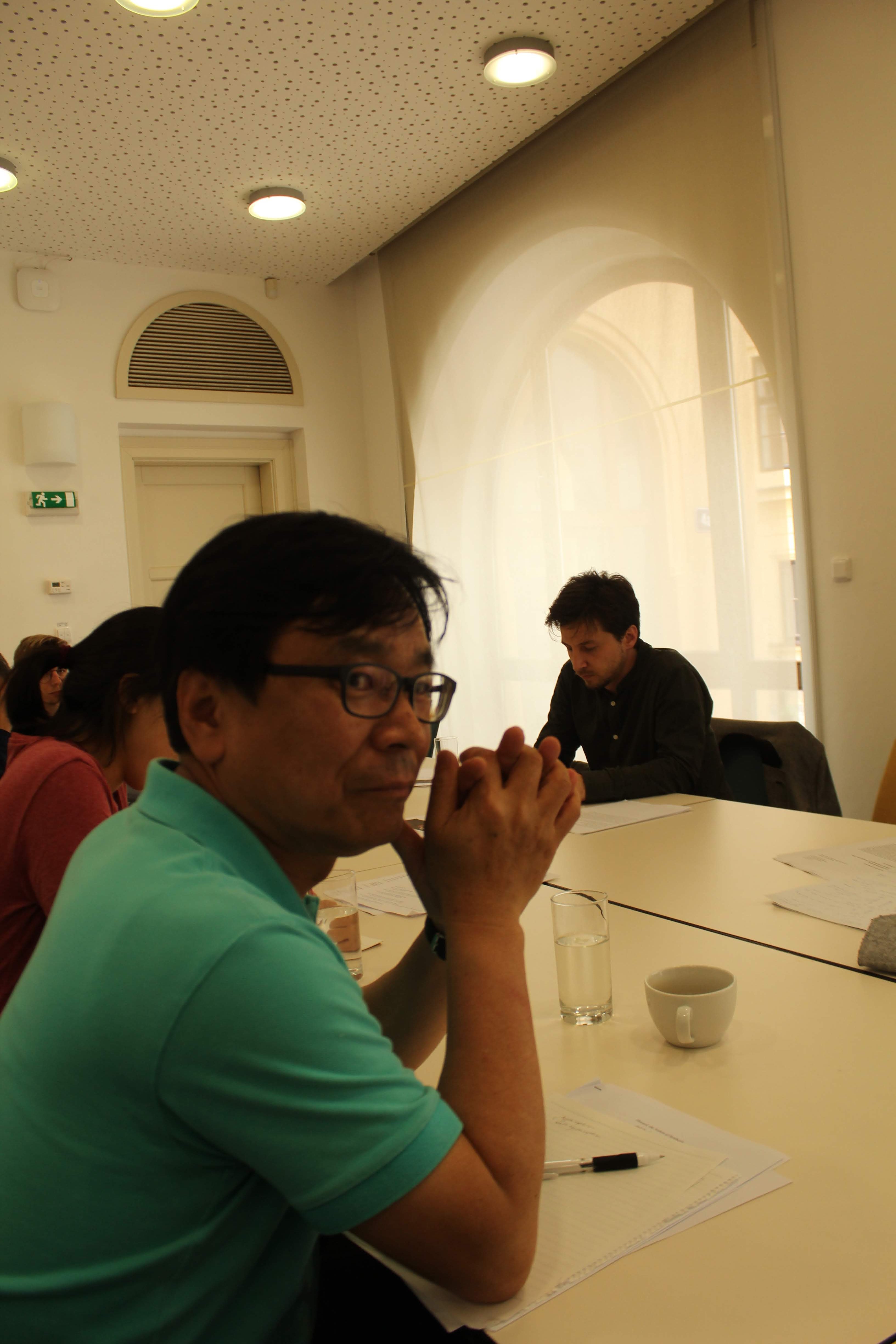
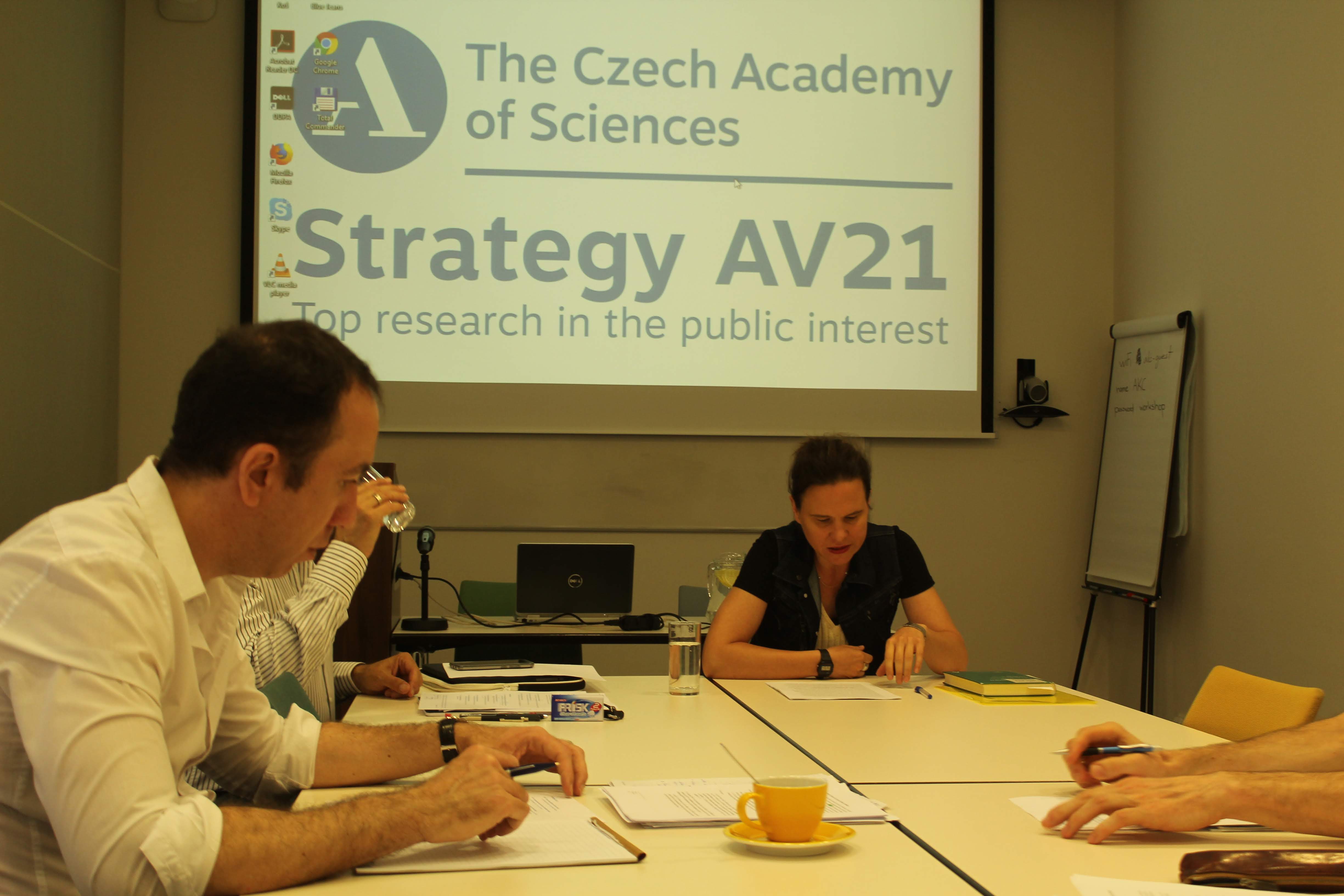
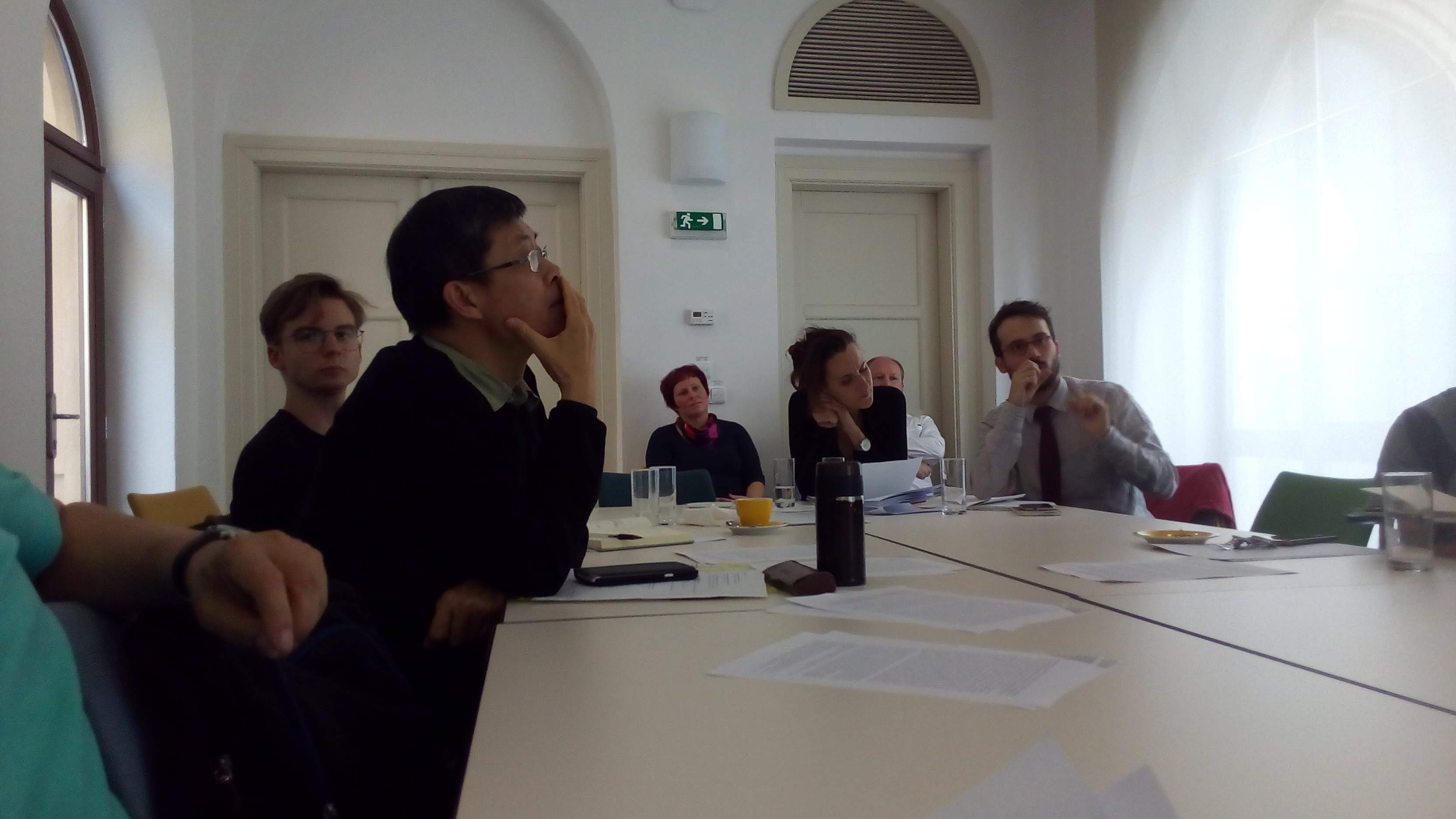
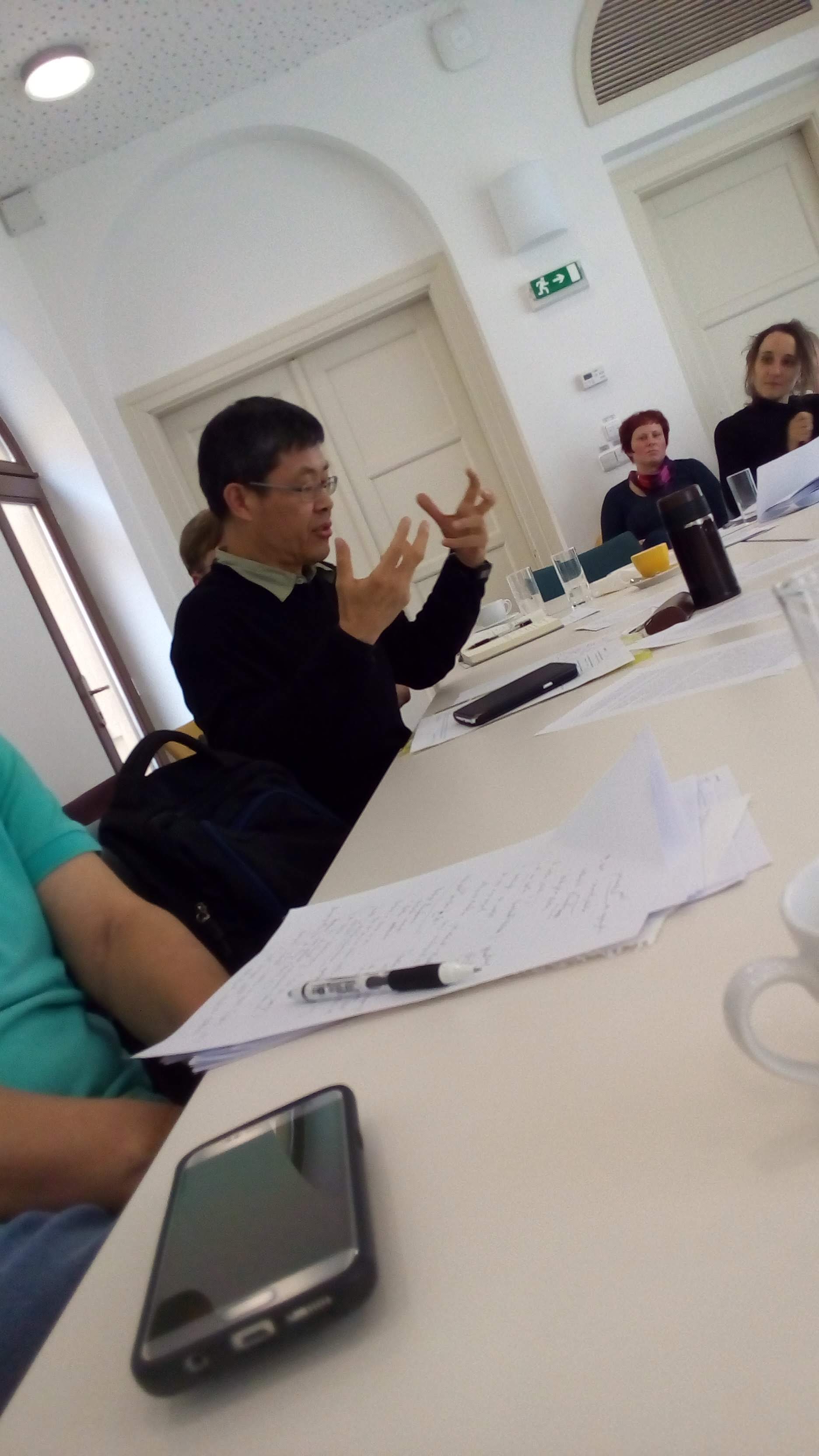
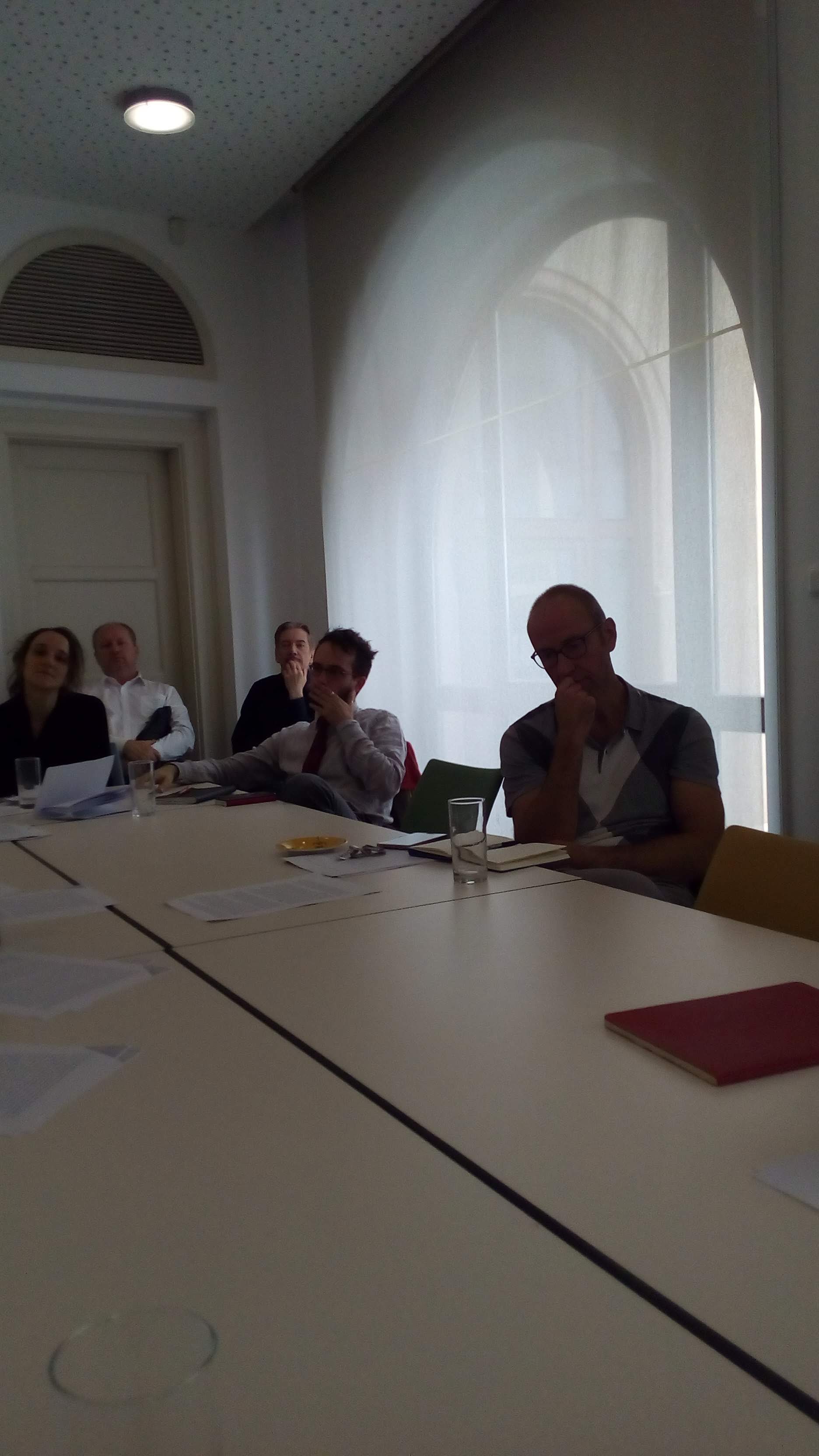
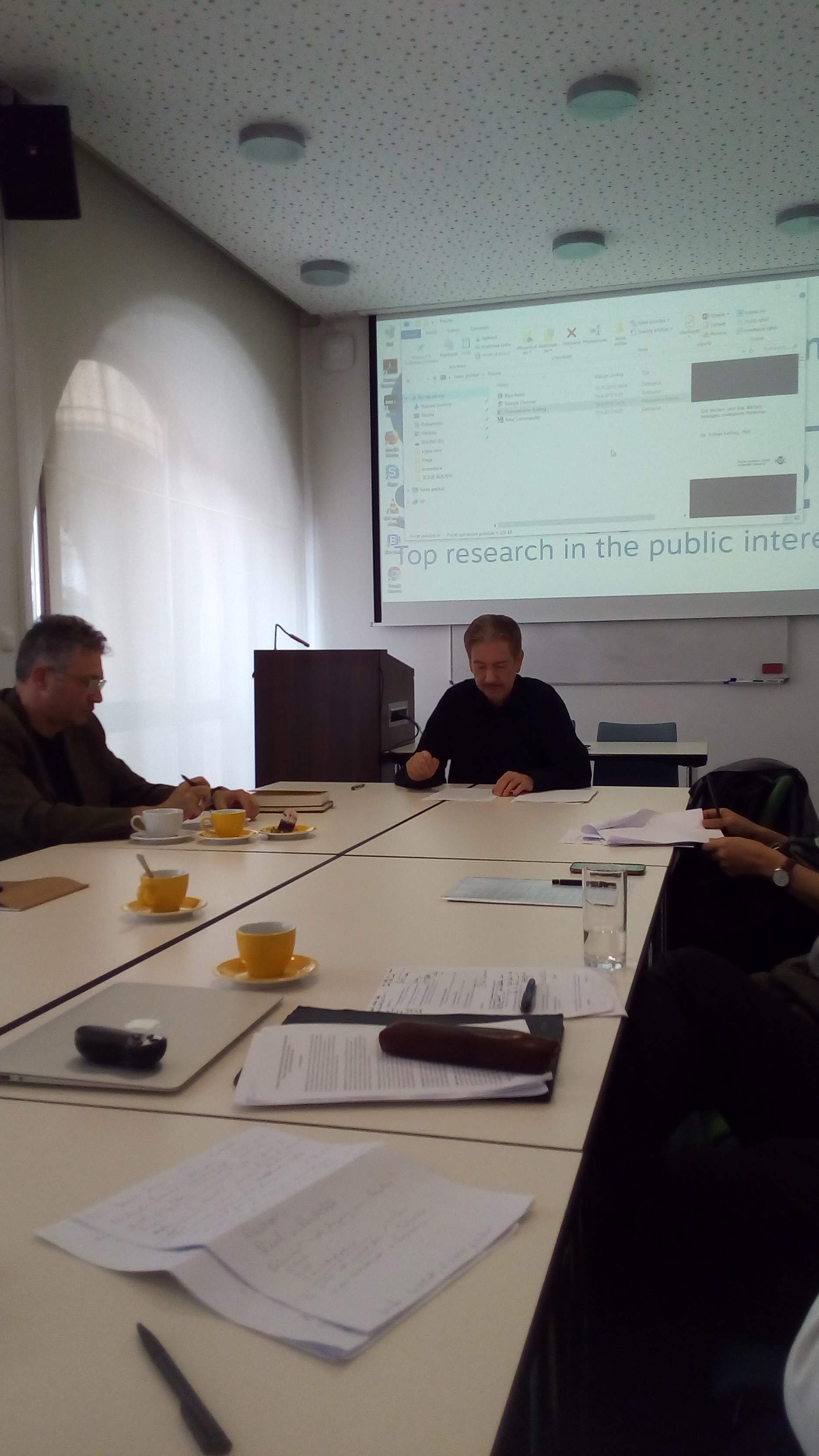
JP184152 JP184151 JP184164 JP184150 JP184157 JP184149 JP184148 JP184135

What is SIF?

"SIF" stands for "Středoevropský Institut Filosofie" ("The Central-European Institute of Philosophy"). The Institute promotes philosophy and transdisciplinary research. It achieves its goals through a specific curriculum and research, emphasizing the transdisciplinary and intercultural aspects and international cooperation. Furthermore,it hosts workshops and conferences,participates in several publishing activities and promotes the exchange of students and professors.

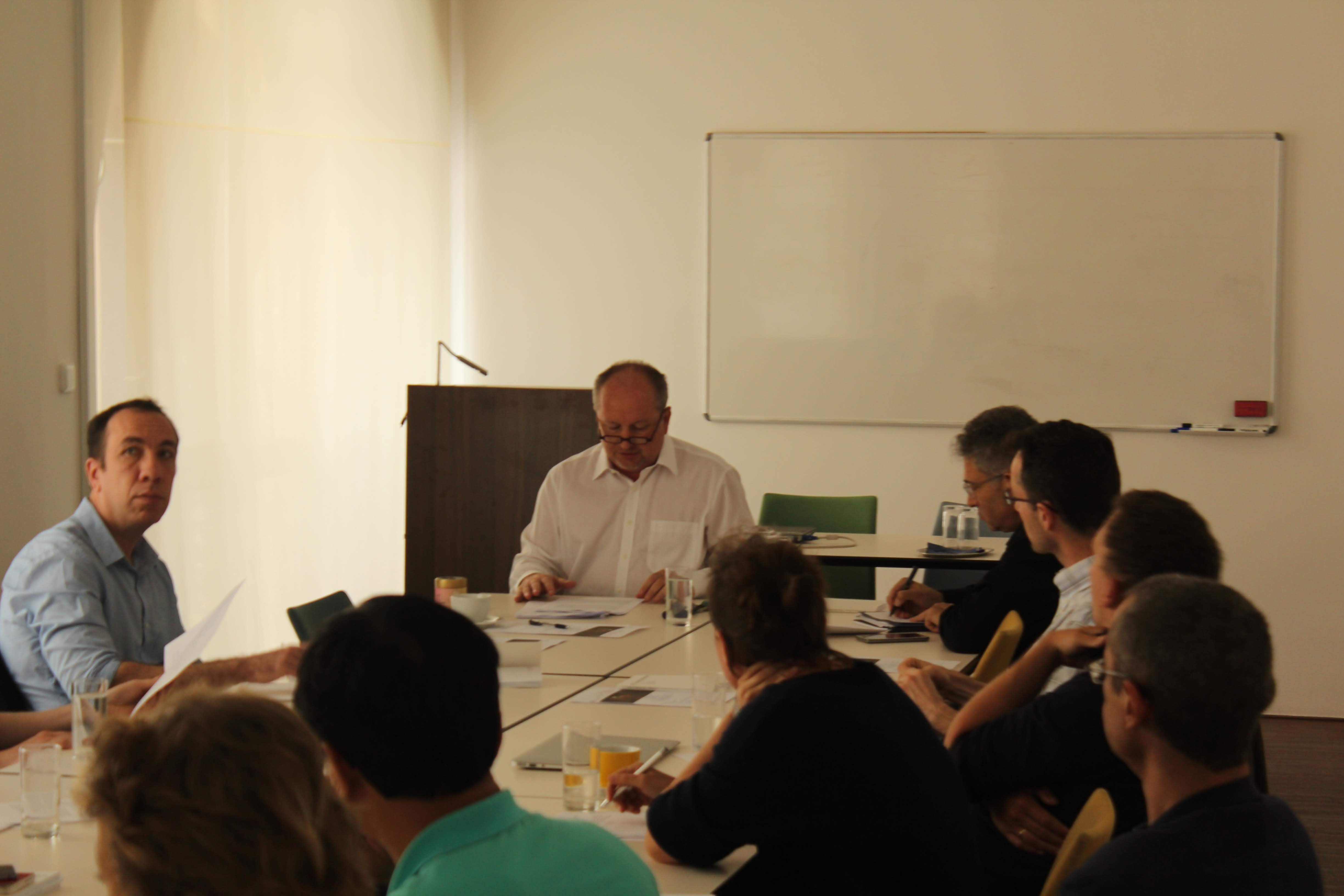
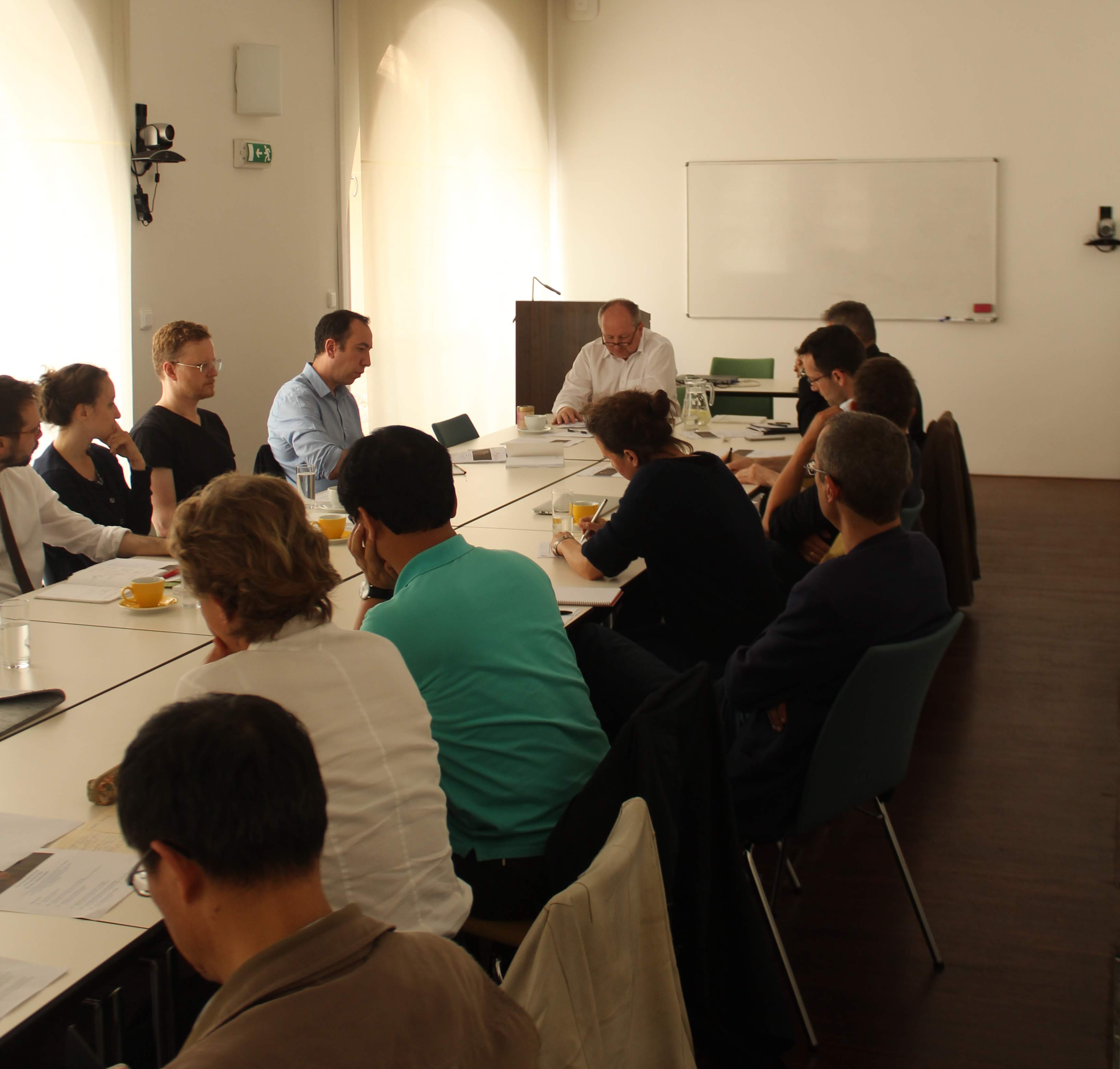
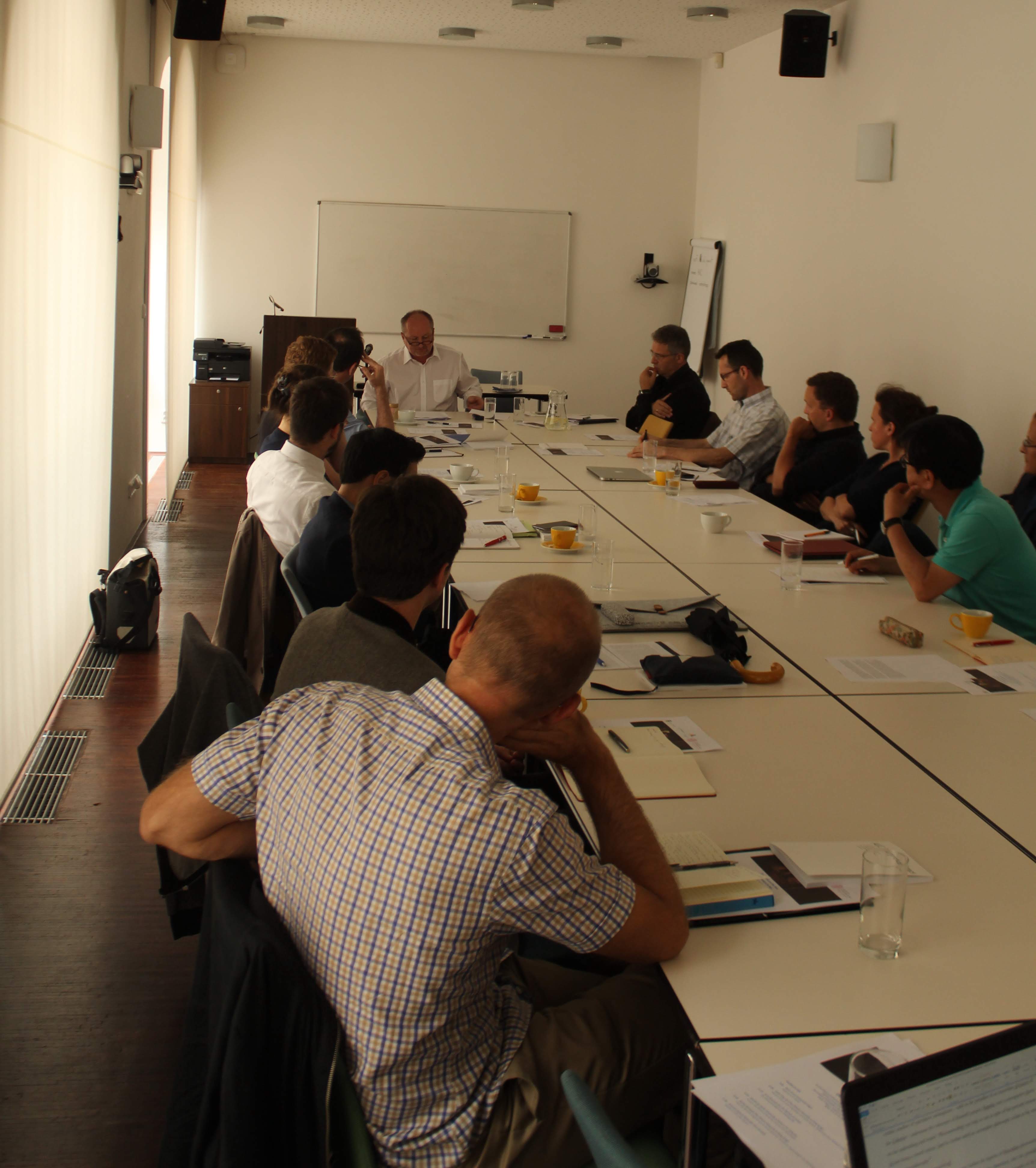
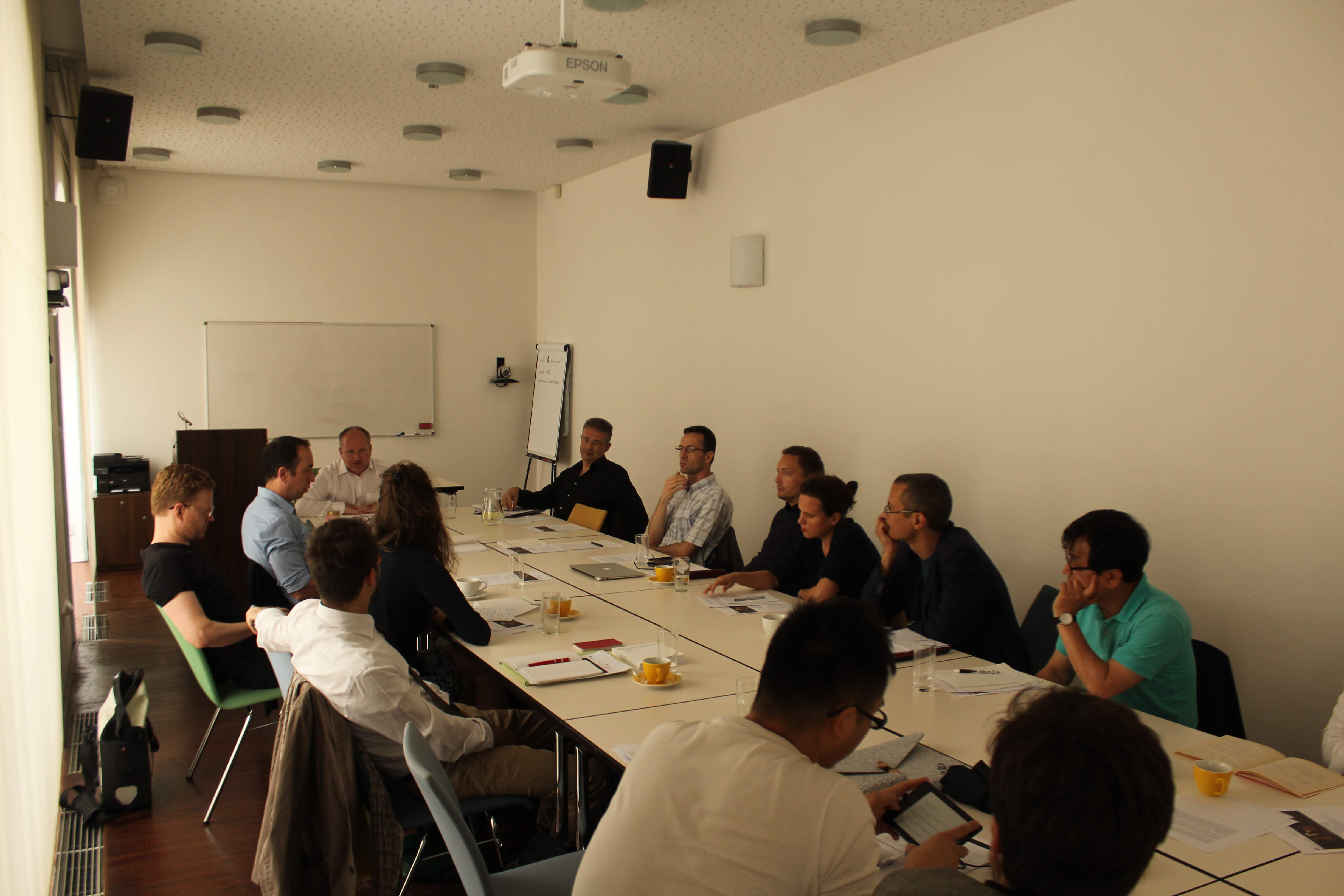
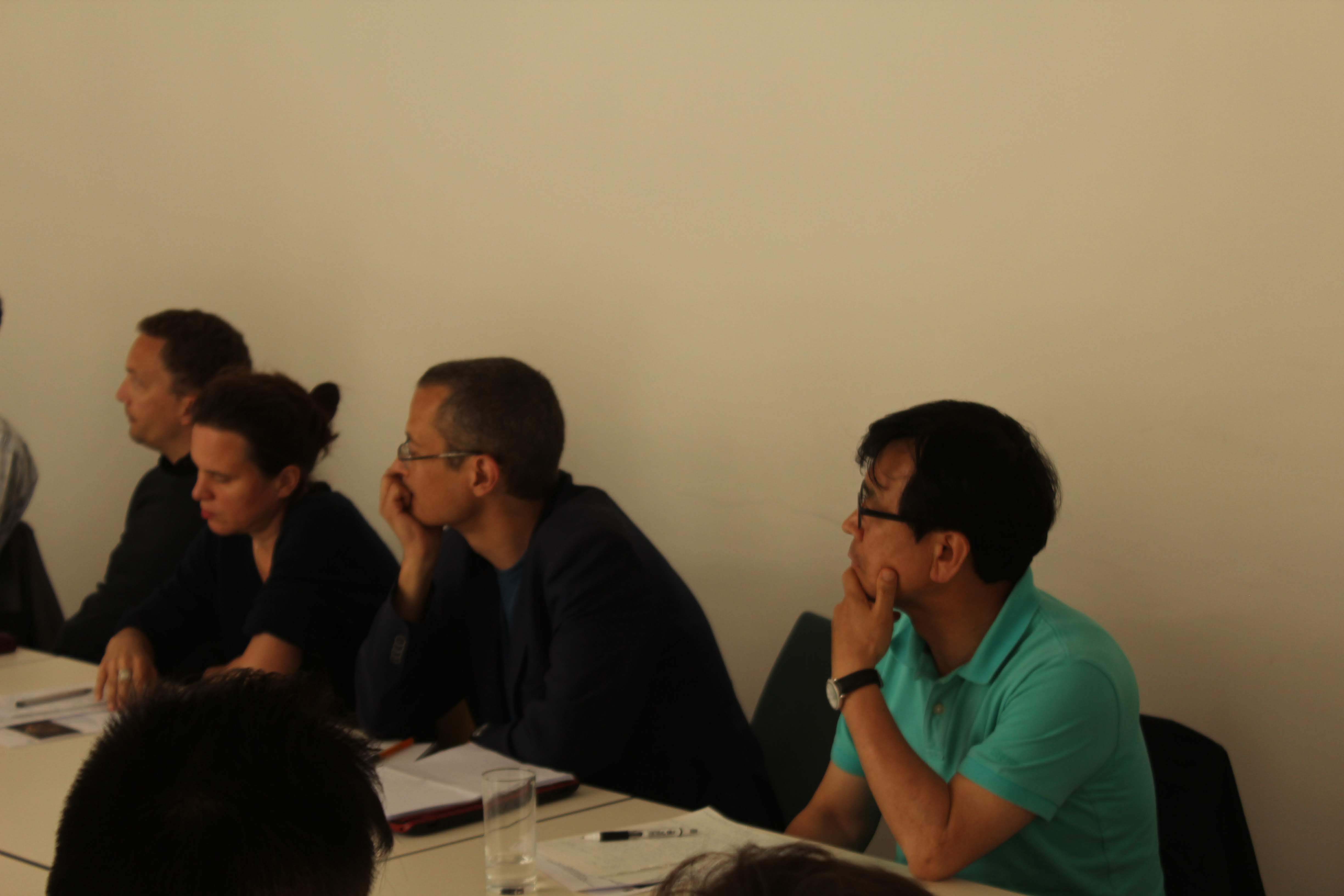
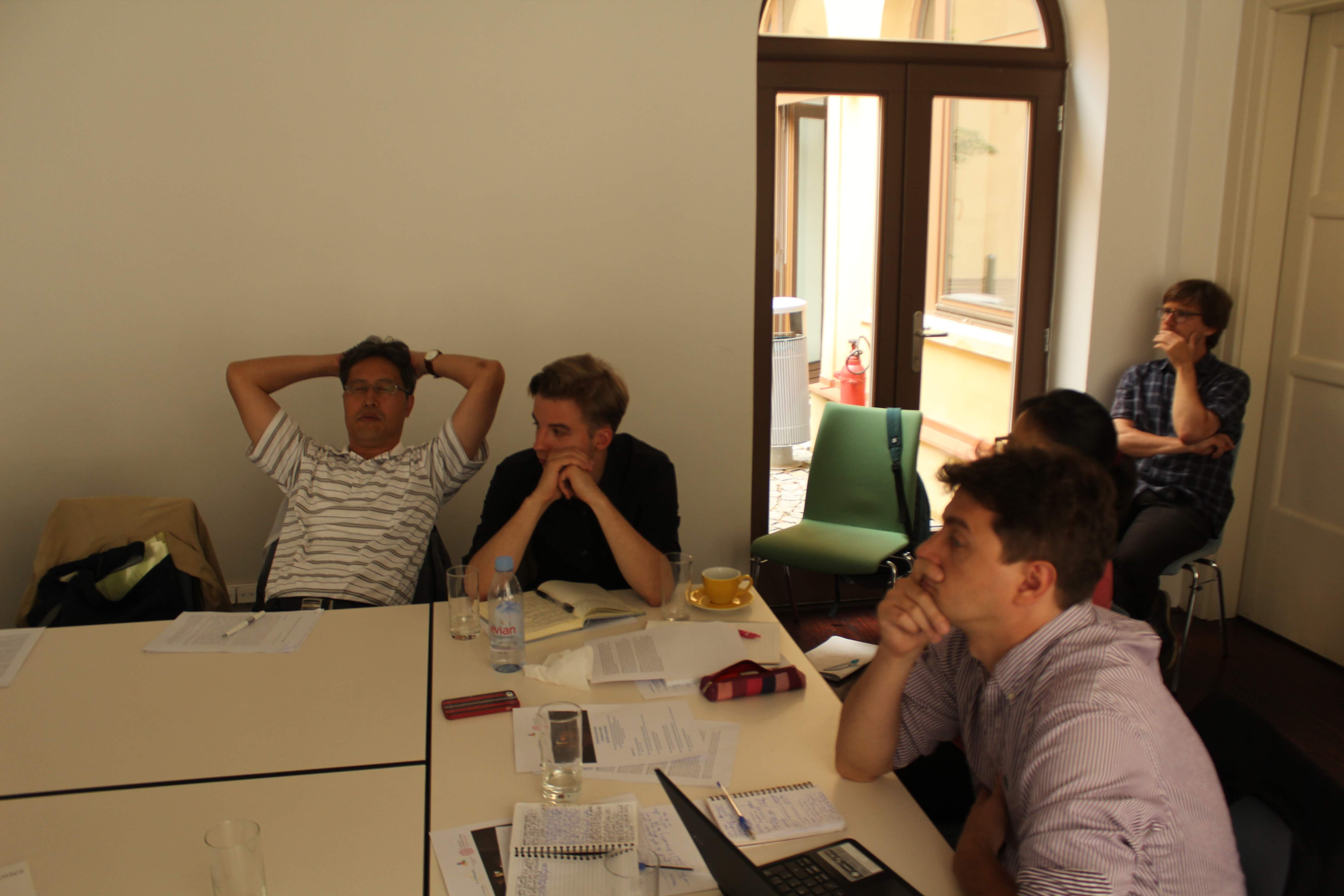
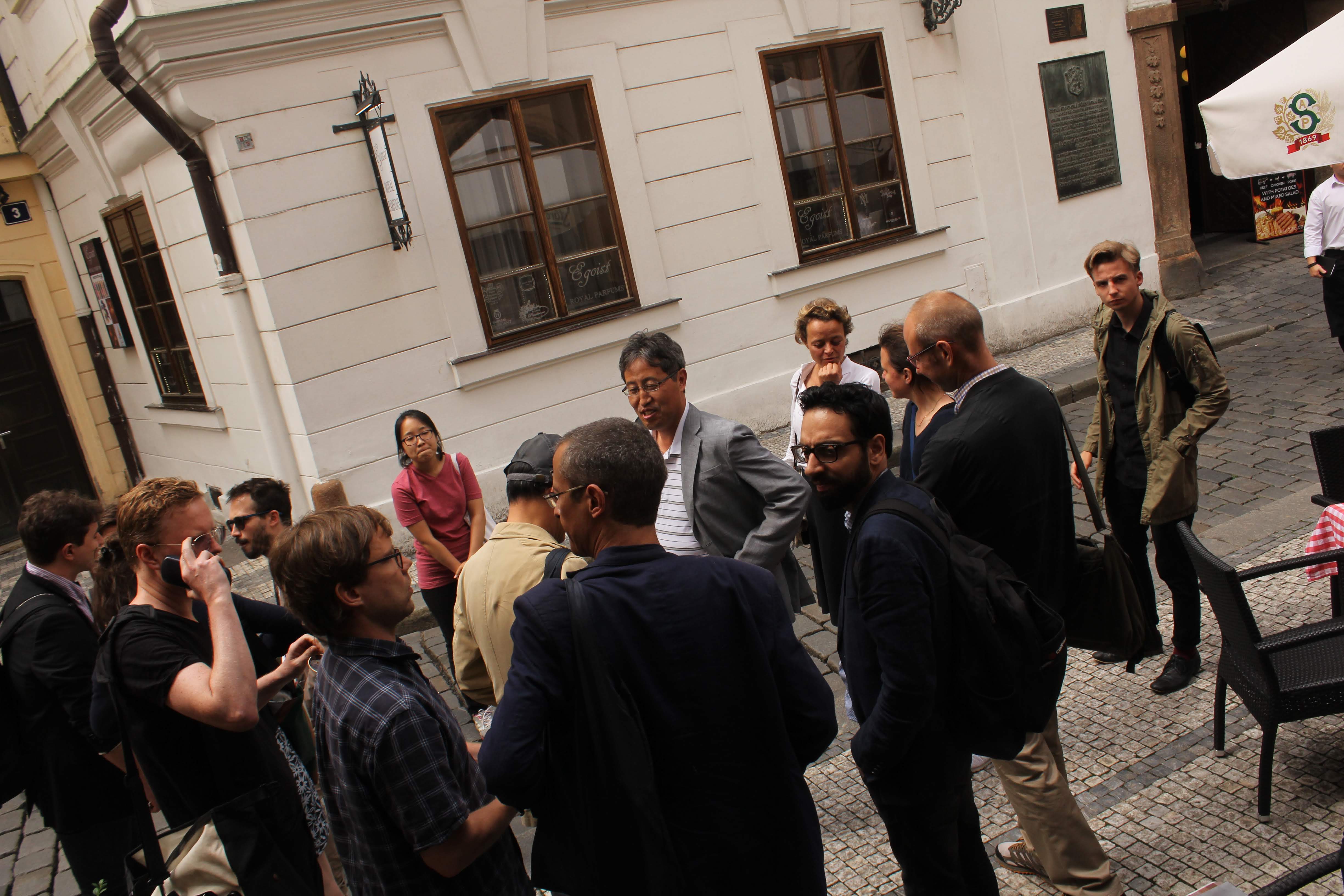
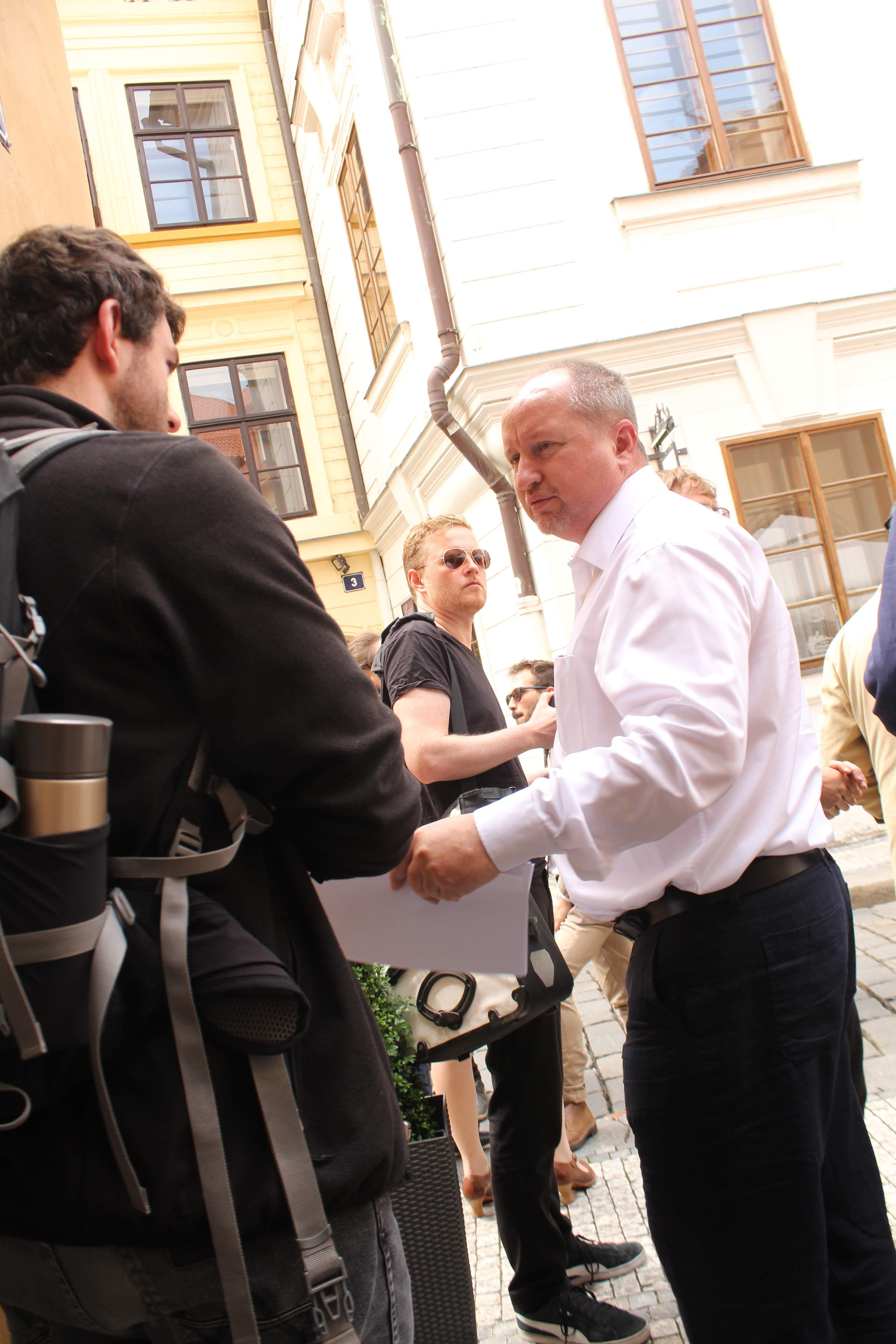
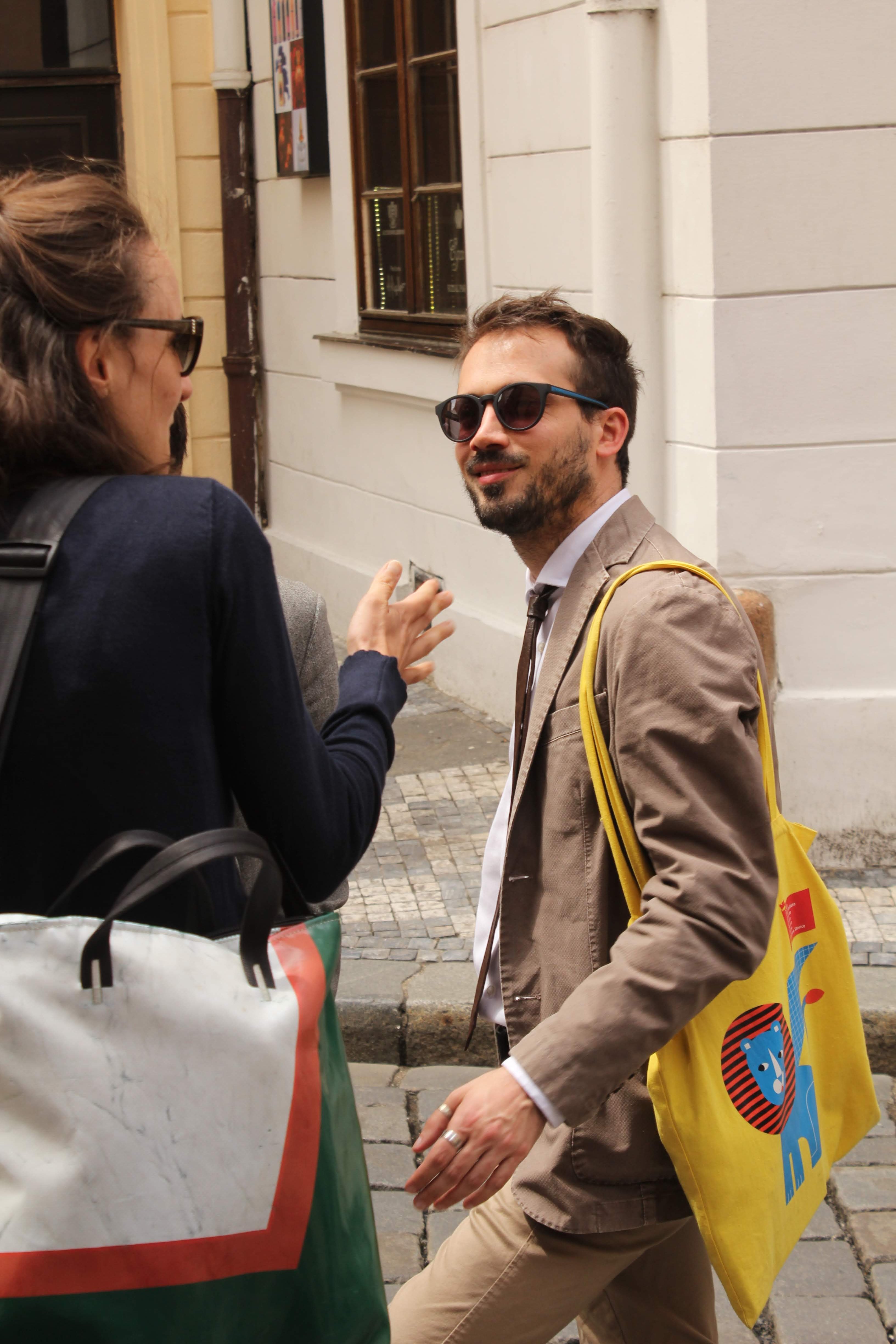
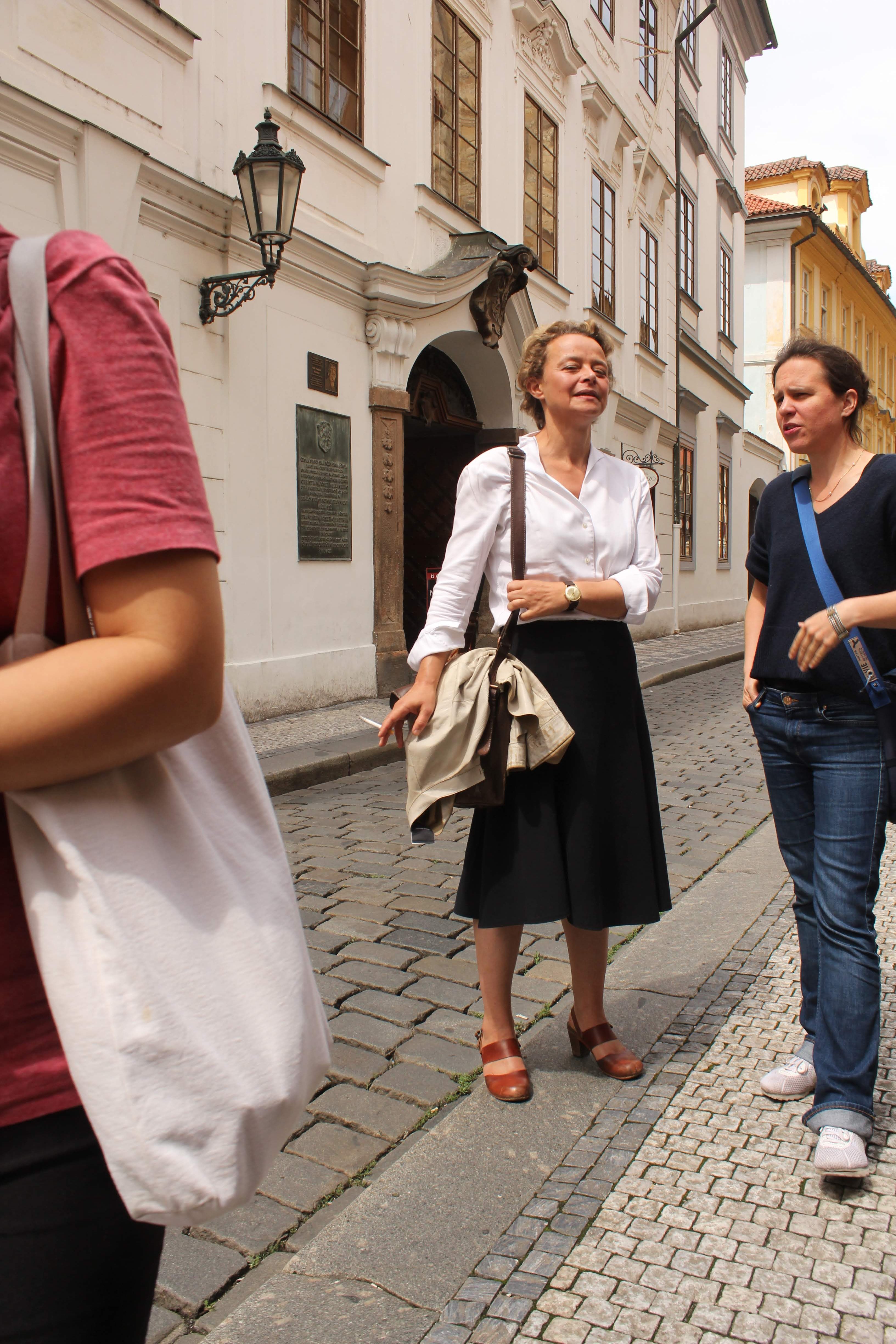
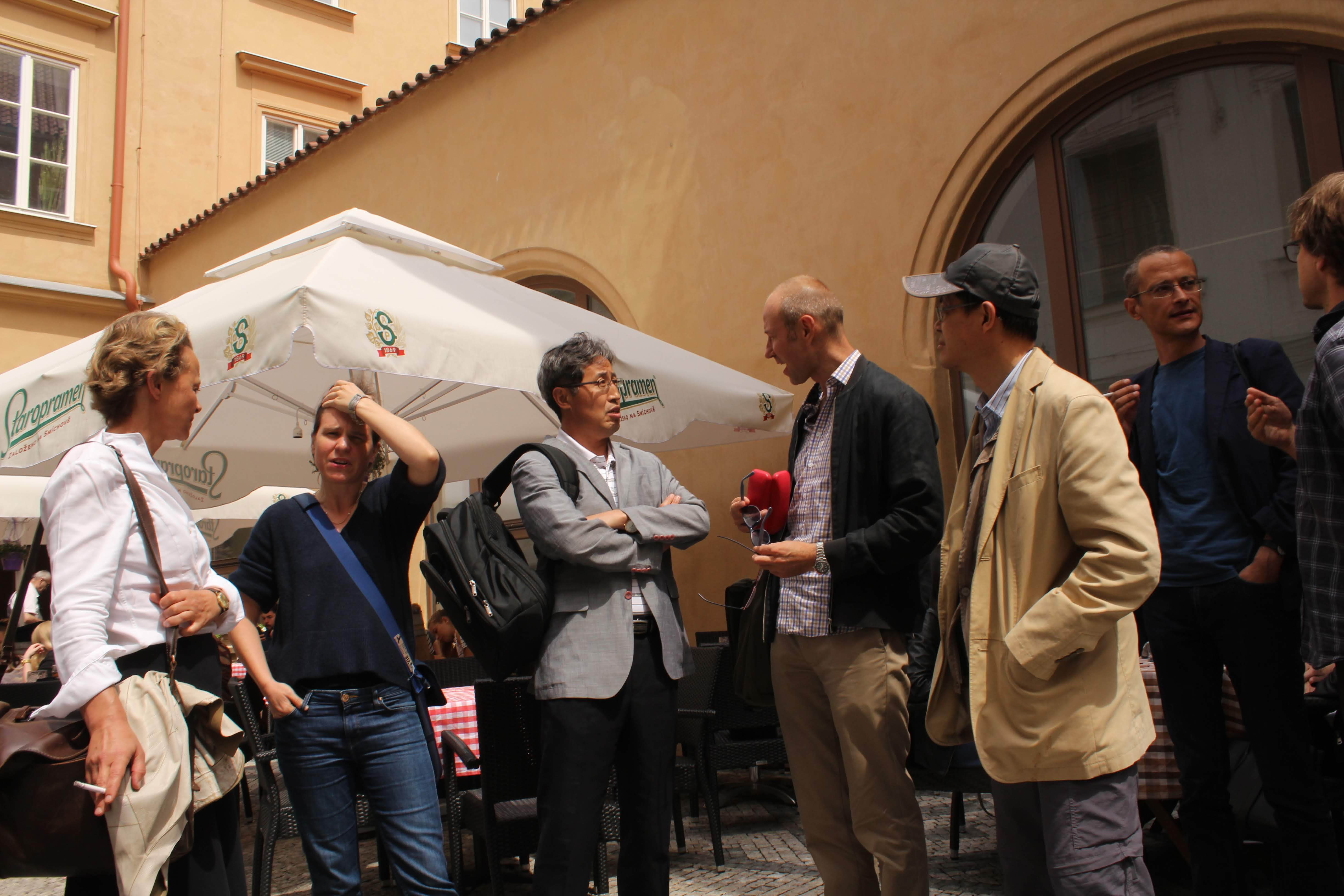
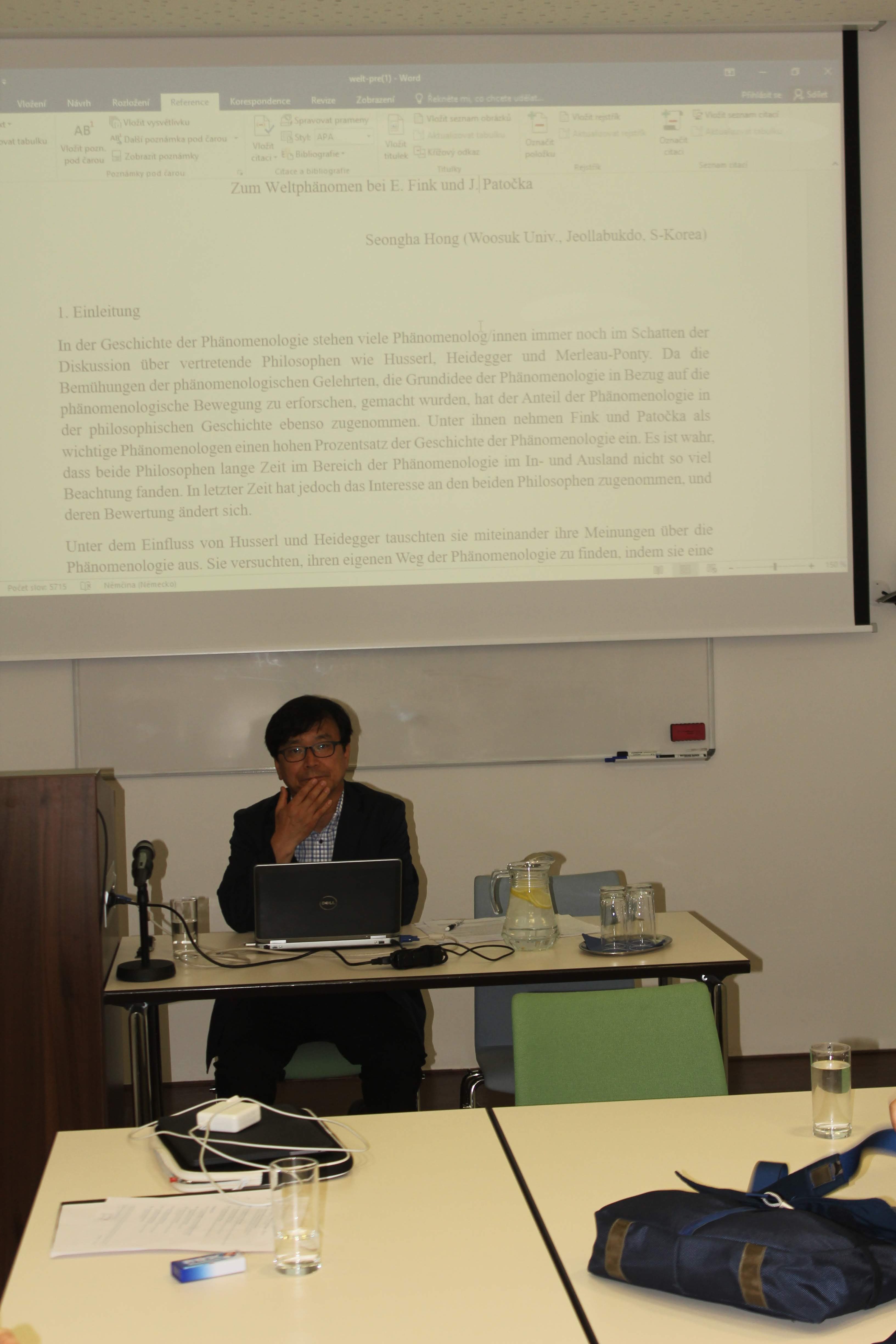
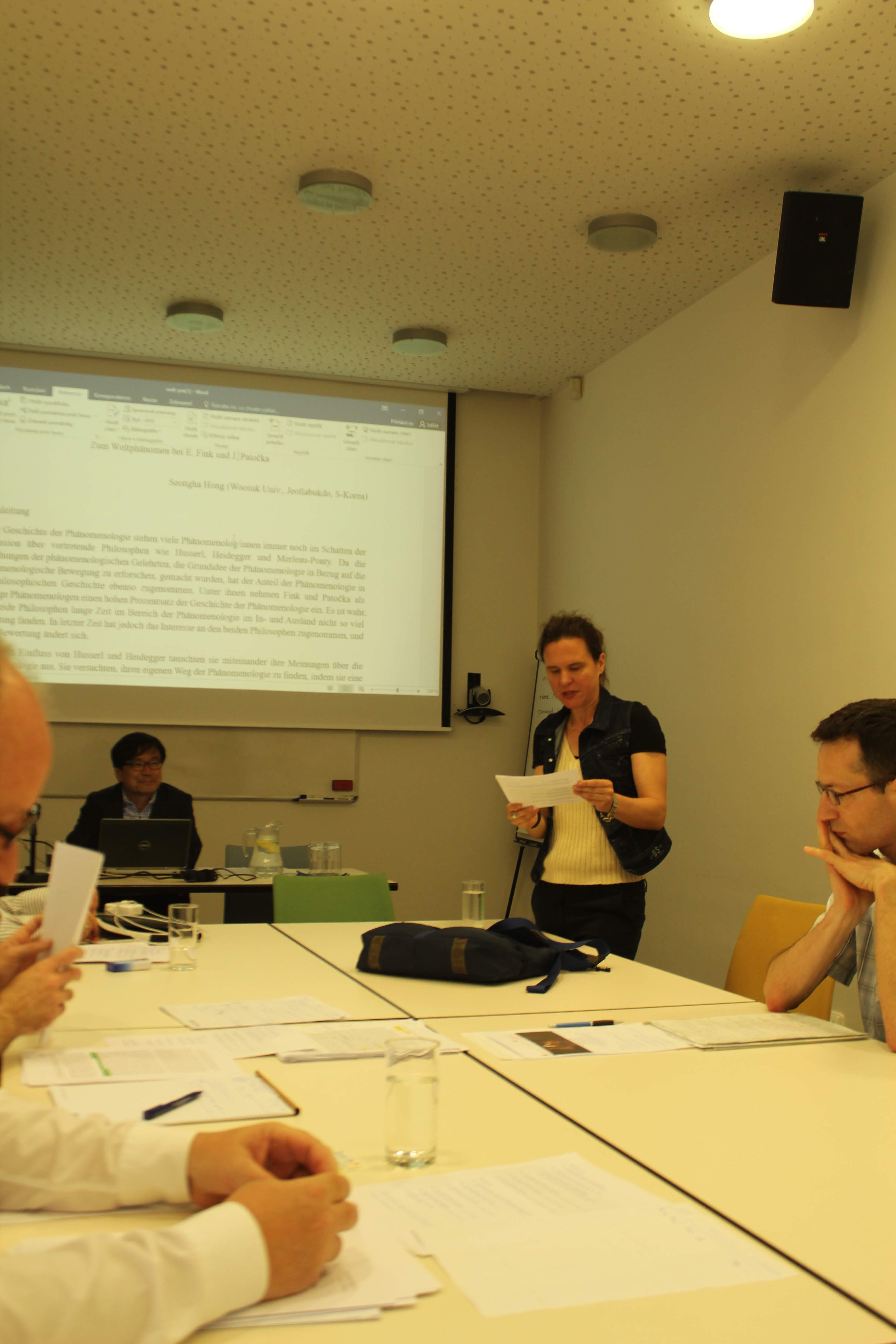
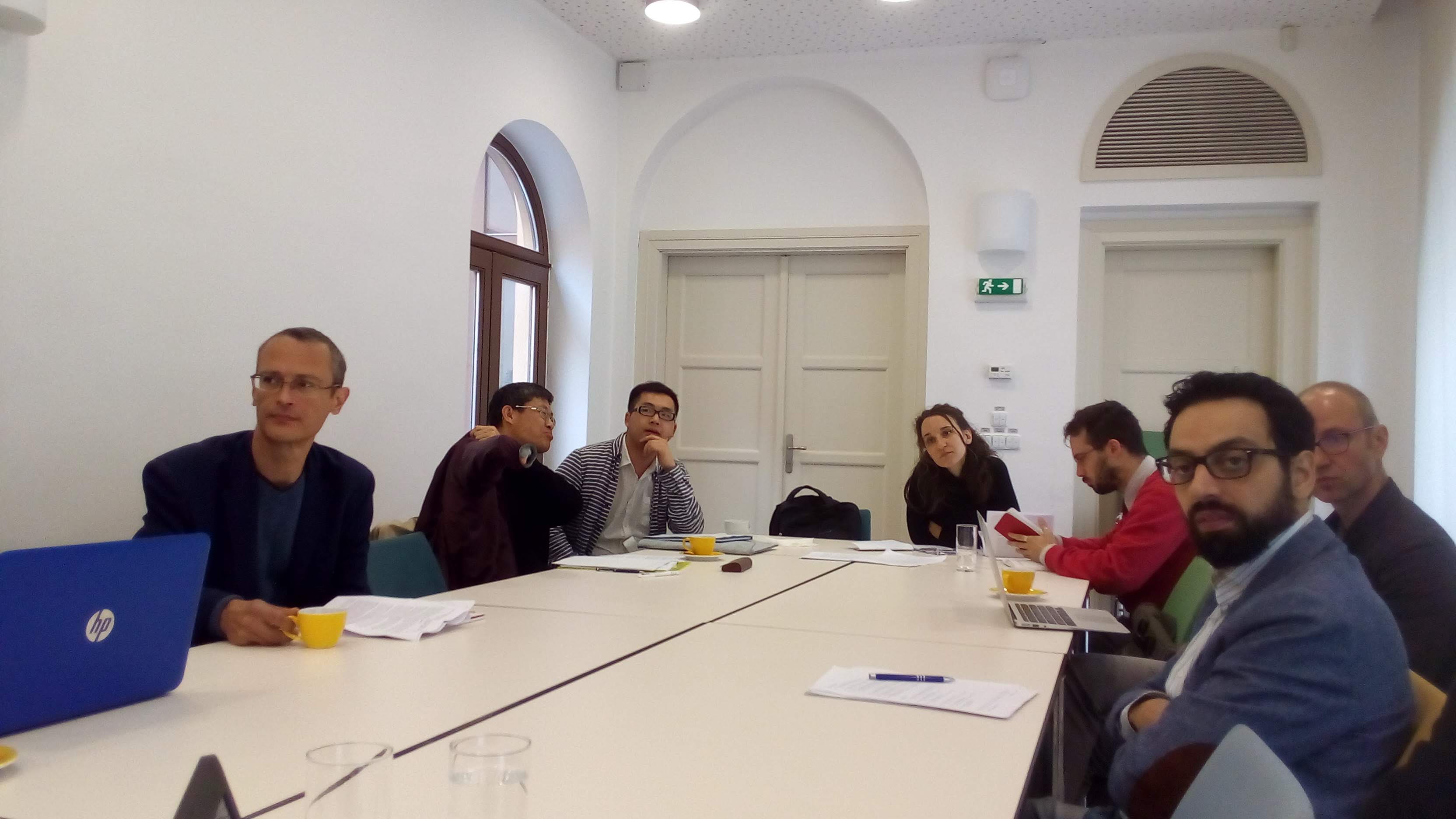
Leiberfahrung und Selbst. Phenomenologie und Buddhismus Fotos

Internationales Kolloquium
Dritte Jahrestagung des Forschungsprojekts “Philosophical Investigations of Body Experiences”
Prague, 16th – 18th May 2012
Vila Lanna, V Sadech 1, Praha 6 – Bubeneč

Experimental performance: Improvisation – Body – Philosophy

Experiment at the borders of philosophy, improvisation and authorial presentation

Programme:

Milena Fridmanová: Volám sa Phi-fi
Experimental performance on what is philosophy

Alice Koubová, Jan Puc: Phi-kus
Improvised searching of the other side of text

Tuesday 15th May 19:00
Studio Řetízek, Karlova 26

Leiberfahrung und Selbst. Phenomenologie und Buddhismus

Internationales Kolloquium
Dritte Jahrestagung des Forschungsprojekts “Philosophical Investigations of Body Experiences”

Prague, 16th – 18th May 2012

Address:
Vila Lanna, V Sadech 1, Praha 6 – Bubeneč

Organizers:
Středoevropský institut pro filosofii (SIF) / Mitteleuropäisches Institut für Philosophie
Fakultät für Humanwissenschaften der Karls-Universität Prag
Institut für Philosophie der Akademie der Wissenschaften der Tschechischen Republik

In collaboration with:
Erasmus Master Mundus „EuroPhilosophie“ & Zen-Akademie Freiburg

See detailed programme here (pdf file)

Embodied (inter)subjectivity: between phenomenological and experimental research

Conference:
Embodied (inter)subjectivity: between phenomenological and experimental research

Prague, 3rd – 4th June 2013

Keynote speakers: Shaun Gallagher and Dan Zahavi


7th Central and Eastern European Conference on Phenomenology

Call for papers: Phenomenology and Aristotle
St. Petersburg, June 2-3, 2012.
A conference dedicated to Alexei Chernyakov

The phenomenological movement recognized from the outset its debt to Aristotle’s philosophy. As it is too well-known, this affinity has been emphasized and deepened by Martin Heidegger and by the contemporary phenomenological research in the wake of Hannah Arendt, Hans-Georg Gadamer, Paul Ricoeur etc. Alexei Chernyakov has been an eminent Russian representative of that tradition.

Nevertheless, phenomenological interpretations of Aristotle’s philosophy seem, nowadays, to be marginal, in part because of their reluctance to establish a bridge with contemporary Aristotelian scholarship and with alternative approaches to Aristotle. The conference aims at putting an end to this introverted attitude. It welcomes therefore contributions which, though of phenomenological inspiration, provide text-centered readings of Aristotle’s philosophy in dialogue with current debates within Aristotelian studies. Bringing to light eventual affinities or disparities with analytic-oriented readings of Aristotle is also a desideratum. There is no restriction as to the specific subject matter of the contributions. Phenomenological studies on Aristotle’s ethics, politics, rhetoric, metaphysics, physics, poetics, time, action, etc. are equally welcome.

Organizers:
The Organization of Phenomenological Organizations (OPO)
St. Petersburg School of Religion and Philosophy, Russia
Department of Philosophy, University of Patras, Greece

Scientific committee:
Pavlos Kontos (Patras), Marc Michalski (Athens), Viktor Molchanov (Moscow),
Nelly Motroshilova (Moscow), Natalia Pecherskaya (Saint-Petersburg),
Panagiotis Thanassas (Thessaloniki), Panos Theodorou (Crete)

Place and Time:
The Conference will take place in St. Petersburg, June 2-3, 2012
(Universitetskaya embankment 5, Saint-Petersburg, 199034, Russia)

7th Central and Eastern European Conference on Phenomenology

Erkennen – Handeln – Bewähren. Phänomenologie und Pragmatismus

Internationale Max Scheler Tagung
Erkennen – Handeln – Bewähren. Phänomenologie und Pragmatismus

June 15 – 18th, 2011
Hörsaal Coelicum, Domstraße 10, Erfurt

See information leaflet
See detailed programme

Natur und Geist in der Sicht der Phänomenologie

Husserl-Archiv Köln in Verbindung mit den Husserl-Archiven Leuven und Freiburg in der Universität zu Köln

Call for papers:
Natur und Geist in der Sicht der Phänomenologie

4-5. November 2011, Universität zu Köln
Husserl-Arbeitstage Köln 2011

See information leaflet

Orbis Phaenomenologicus

Orbis Phaenomenologicus. Perspektiven – Quellen – Studien
Edited by Kah Kyung Cho (Buffalo),  Yoshihiro Nitta (Tokyo) and  Hans Rainer Sepp (Prag)

Die Reihe präsentiert Denkansätze und Erträge der Phänomenologie und bestimmt ihre Positionen im Kontext anderer philosophischer Strömungen. Sie diskutiert Aporien des phänomenologischen Denkens und fördert die weiterführende phänomenologische Sachforschung. Die Perspektiven widmen sich phänomenologischen Sachthemen, behandeln das Werk wichtiger Autoren und zeichnen ein lebendiges Bild bedeutender Forschungszentren der Phänomenologie. Die Quellen versammeln Primärtexte und erschließen dokumentarisches Material zur internationalen Phänomenologischen Bewegung. Die Studien legen aktuelle Forschungsergebnisse vor.

See detailed information

Libri virides

Libri virides
Edited by Hans Rainer Sepp

Libri virides brings together exciting texts by outstanding young authors working in the areas of philosophy and philosophical-inspired sciences. They offer a forum that presents the ideas and research of a new generation.

See detailed information

Libri nigri

Libri Nigri
Edited by Hans Rainer Sepp

The libri nigri meet preferentially at sites where the boundaries of realities, standpoints, disciplines as well as cultural traditions and traditions of knowledge come into view and where their assump-tions are negotiable. To trace their intentions of reasoning is more important than the search for the reasons themselves; the daring experiment means more than the effectual model; disturbing action more than the drive towards safeguarding. Since the sites for decisive action are found mostly on the fringes and not at the centers and since boundaries not only function as limits but also simultane-ously cover up the potential for difference and otherness, this series will also not refrain from enter-ing the terrain of the Utopian.

See detailed information